

 High-density polyethylene, or HDPE, is a common type of plastic found in many everyday products like milk jugs and detergent bottles. It’s prized for its durability and recyclability but must be disposed of correctly to maximize its environmental benefits. Here’s a simple guide to help you properly Recycle HDPE plastic.
Understanding the Importance of HDPE Recycling
Recycling HDPE plastic is crucial because it helps reduce waste and conserve natural resources. When recycled, HDPE can be transformed into new materials, such as piping, plastic lumber, and even new bottles. Proper disposal ensures these products can be produced without depleting virgin resources.
Identifying HDPE Products in Your Home
The first step to proper disposal is identifying HDPE plastics in your household. Look for products labeled with the recycling symbol and the number “2.” Common items include shampoo bottles, cleaning product containers, and some grocery bags. Recognizing these items ensures they don’t end up in regular trash bins.
Prepping HDPE Plastics for Recycling
Before tossing HDPE plastics into your recycling bin, it’s essential to prepare them. Start by rinsing the containers to remove any residue, as leftover product can contaminate the recycling process. Once clean, remove any non-HDPE components, like metal caps or labels, which can interfere with recycling efficiency.
Sorting and Storing Your Recyclables
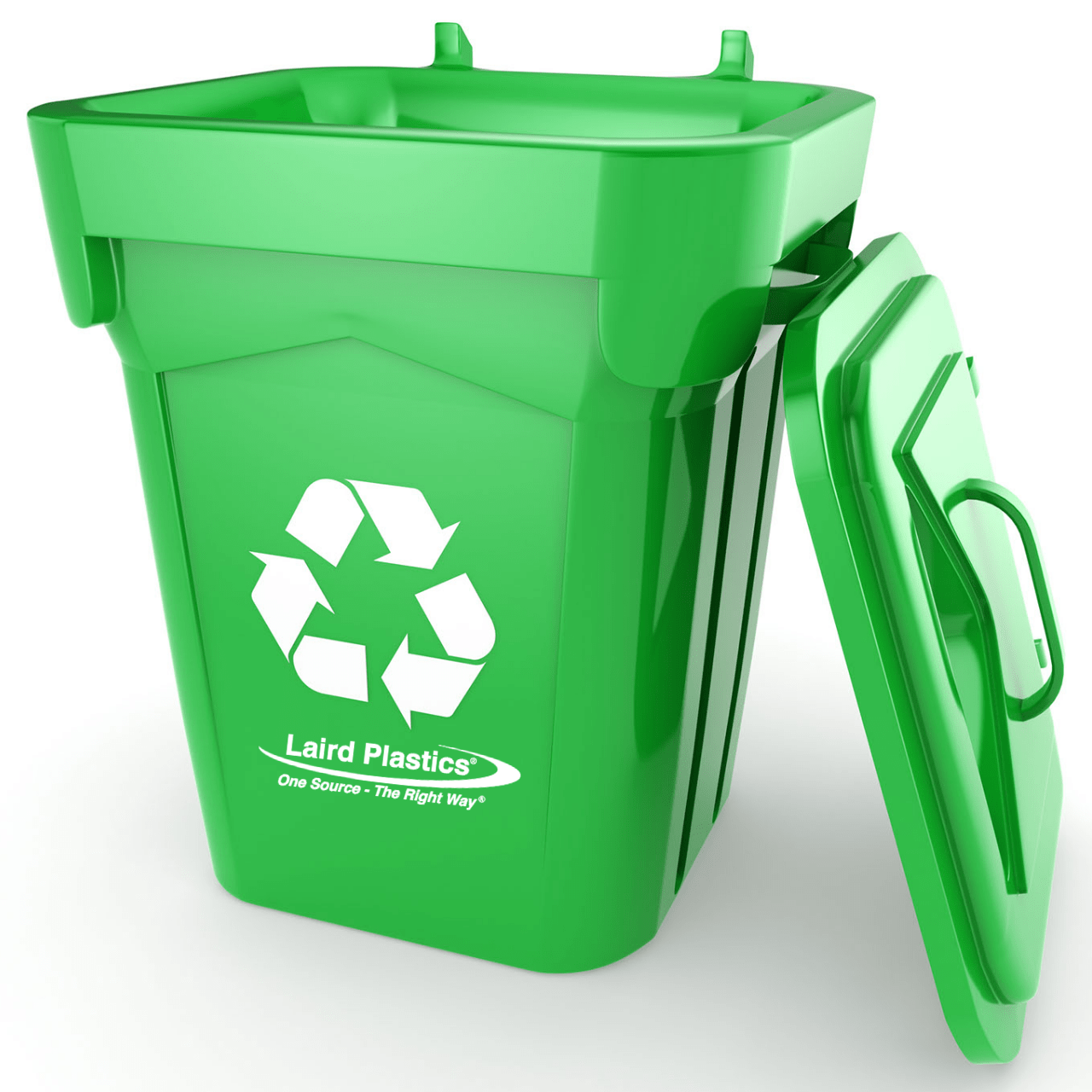
Organizing your HDPE plastics is a good habit that aids in efficient recycling. Designate a separate bin for HDPE items to avoid confusion and ensure they make it to the recycling facility. By keeping your recyclables in order, you’ll contribute to a smoother recycling process both at home and at the plant.
Local Recycling Guidelines
It’s crucial to be informed about your local recycling guidelines, as they can vary significantly. Some municipalities offer curbside pickup for HDPE plastics, while others may require drop-off at designated facilities. Check with your local waste management authority to understand the best practices in your area.
The Role of Recycling Facilities
Once collected, HDPE plastics are transported to recycling facilities where they’re cleaned, shredded, and melted into pellets. These pellets serve as raw materials for manufacturing new plastic products. Understanding this process highlights the importance of your role in the recycling chain.
The Environmental Impact of HDPE Recycling
Recycling HDPE plastic has a significant positive impact on the environment. It reduces landfill waste, lowers greenhouse gas emissions, and conserves energy compared to producing new plastic from raw materials. By properly disposing of HDPE, you’re actively contributing to a healthier planet.
Innovations in HDPE Recycling
The recycling industry is continually evolving, with new technologies making HDPE recycling more efficient and sustainable. Advanced methods, like chemical recycling, break down plastics to their molecular level, creating even purer recycled materials. Staying informed about these innovations can inspire better recycling practices.
Common Misconceptions About Plastic Recycling
Many people hold misconceptions about recycling plastic, believing that all plastics can be recycled together. However, mixing different types of plastic can hinder the recycling process. Educating yourself and others about these distinctions can improve recycling outcomes.
Encouraging Community Involvement
Community involvement is key to successful recycling programs. Encourage friends and neighbors to participate by sharing information and tips about HDPE recycling. Hosting local events or workshops can also raise awareness and motivate collective action.
Steps to Improve Your Recycling Habits
Improving your recycling habits is an ongoing process. Regularly review and refine your recycling routine, stay updated on new practices, and experiment with creative ways to reduce plastic waste. Your commitment to better habits can inspire others to follow suit.
The Future of HDPE and Sustainability
The future of HDPE recycling looks promising, with advancements in technology and a growing emphasis on sustainability. By staying engaged and proactive, you can help shape a future where HDPE is continuously reused, reducing reliance on non-renewable resources.
Living a Greener Lifestyle
Properly disposing of HDPE plastics is just one step in living a greener lifestyle. Combine recycling with other sustainable practices, like reducing single-use plastics and investing in reusable products, to make a greater impact. Every small effort counts toward a cleaner, greener world.
By following these steps, you’ll play an important role in ensuring HDPE plastics are recycled efficiently and effectively, contributing to a sustainable future.


