
Most people rarely think about property safety until an accident happens. Whether visiting a shopping center, apartment complex, office building, hotel, or private residence, individuals generally expect that the property is reasonably safe. When dangerous conditions are overlooked or ignored, however, serious injuries can occur.
Accidents caused by unsafe property conditions fall under an area of law known as premises liability. While the term may sound technical, the basic concept is straightforward: property owners have a responsibility to maintain reasonably safe conditions for people who lawfully enter their property.
Understanding how premises liability works can help individuals better understand their rights and responsibilities after an injury occurs.
What Is Premises Liability?
Premises liability refers to the legal responsibility property owners and occupiers may have when someone is injured due to unsafe conditions on their property.
These cases arise when a hazardous condition contributes to an accident that causes injury.
Premises liability claims can involve a wide variety of incidents, including:
- Slip and fall accidents
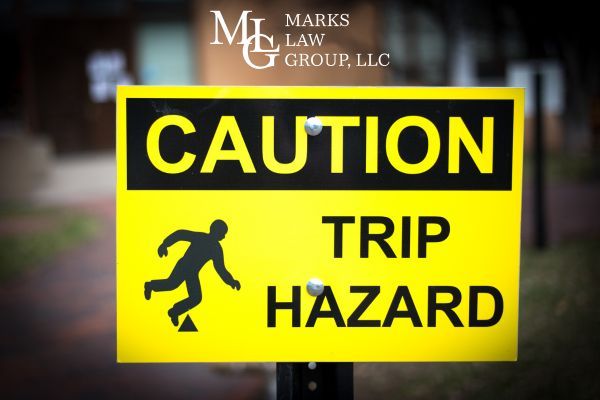
- Trip and fall accidents
- Inadequate security incidents
- Falling objects
- Swimming pool accidents
- Elevator and escalator accidents
- Structural failures
- Dog attacks occurring on private property
Each situation involves different facts, but the underlying principle remains the same: property owners are expected to take reasonable steps to address known dangers.
Why Property Safety Matters
Property hazards are more common than many people realize.
A loose handrail, uneven flooring, poor lighting, or a wet surface may seem like minor issues, but these conditions can create significant risks for visitors.
Unsafe property conditions can lead to:
- Broken bones
- Head injuries
- Back injuries
- Spinal cord injuries
- Soft tissue injuries
- Permanent disabilities
The consequences can be especially serious for children and older adults.
Preventable Accidents
Many premises liability cases involve hazards that could have been corrected through routine inspections, maintenance, or simple warning signs.
Preventing injuries is often far less costly than dealing with the consequences after an accident occurs.
Common Examples of Premises Liability Cases
Premises liability encompasses a broad range of accidents.
Slip and Fall Incidents
These are among the most common premises liability claims.
Causes may include:
- Wet floors
- Ice and snow accumulation
- Loose flooring
- Spilled liquids
- Uneven walking surfaces
Trip and Fall Accidents
Trips often occur because of:
- Broken sidewalks
- Exposed cables
- Damaged stairways
- Unmarked obstacles
Inadequate Security
Property owners may sometimes face liability when inadequate security measures contribute to assaults or other criminal acts.
Falling Objects
Improperly stored merchandise, building materials, or equipment can cause serious injuries when objects fall unexpectedly.
Understanding Property Owner Responsibilities
Property owners are not automatically responsible for every accident that occurs on their property.
Generally, liability depends on whether the owner acted reasonably under the circumstances.
This may involve:
- Conducting inspections
- Repairing known hazards
- Providing adequate lighting
- Posting warning signs
- Maintaining safe walkways
- Addressing security concerns when appropriate
The specific responsibilities often depend on the type of property and how it is used.
Reasonable Care Standard
The law typically focuses on whether a property owner exercised reasonable care.
Reasonable care does not require eliminating every possible risk. Instead, it requires taking practical steps to identify and address foreseeable dangers.
How Negligence Applies to Premises Liability
Most premises liability claims are based on negligence.
Negligence occurs when someone fails to act with reasonable care and causes harm to another person.
To establish negligence in a premises liability case, it is often necessary to show that:
- A dangerous condition existed
- The property owner knew or should have known about it
- Reasonable corrective action was not taken
- The condition caused the injury
These elements form the foundation of many premises liability claims.
Actual vs. Constructive Knowledge
A property owner may have actual knowledge if they were directly aware of a hazard.
Constructive knowledge exists when the condition was present long enough that the owner reasonably should have discovered and addressed it.
This distinction often becomes an important issue during investigations.
The Importance of Evidence
Evidence plays a critical role in premises liability claims because hazardous conditions are often repaired shortly after an accident.
Important evidence may include:
- Photographs of the hazard
- Surveillance footage
- Witness statements
- Incident reports
- Maintenance records
- Medical records
Preserving evidence quickly can help document the condition that caused the injury.
Why Timing Matters
The condition that caused an accident may disappear within hours.
For example, a spill may be cleaned up, a broken step repaired, or a warning sign installed after the incident occurs.
Prompt documentation can therefore be extremely valuable.
Compensation Available in Premises Liability Cases
Injured individuals may be entitled to compensation for various losses resulting from unsafe property conditions.
Economic Damages
Economic damages may include:
- Medical expenses
- Rehabilitation costs
- Lost wages
- Future treatment expenses
- Reduced earning capacity
Non-Economic Damages
These damages address personal losses such as:
- Pain and suffering
- Emotional distress
- Loss of enjoyment of life
- Permanent physical limitations
The available compensation depends on the severity of the injuries and the impact on the individual’s life.
Challenges in Premises Liability Claims
Property owners and insurance companies often challenge liability claims.
Common defenses may include:
- The hazard was obvious
- The injured person was not paying attention
- The condition was repaired promptly
- The owner lacked knowledge of the danger
Resolving these disputes frequently requires a detailed investigation and careful review of evidence.
Shared Responsibility Issues
In some cases, questions arise regarding whether the injured person contributed to the accident through their own actions.
These issues can affect how liability is determined and how damages are evaluated.
The Role of Legal Guidance
Premises liability cases often involve complicated questions regarding property maintenance, negligence, evidence preservation, and insurance coverage. Determining whether a property owner acted reasonably requires a detailed analysis of the facts surrounding the incident.
Many injured individuals choose to consult a premises liability lawyer to better understand their legal rights, evaluate available evidence, and navigate the claims process after suffering injuries on another person’s property.
Legal guidance can help individuals make informed decisions while pursuing recovery.
Conclusion
Unsafe property conditions can lead to serious injuries that affect a person’s health, finances, and quality of life. While not every accident results in legal liability, property owners generally have a responsibility to maintain reasonably safe conditions and address known hazards.
Understanding the principles of premises liability, the role of negligence, the importance of evidence, and the types of compensation that may be available can help accident victims better understand their options. Greater awareness of these issues provides a valuable foundation for navigating the aftermath of a property-related injury.