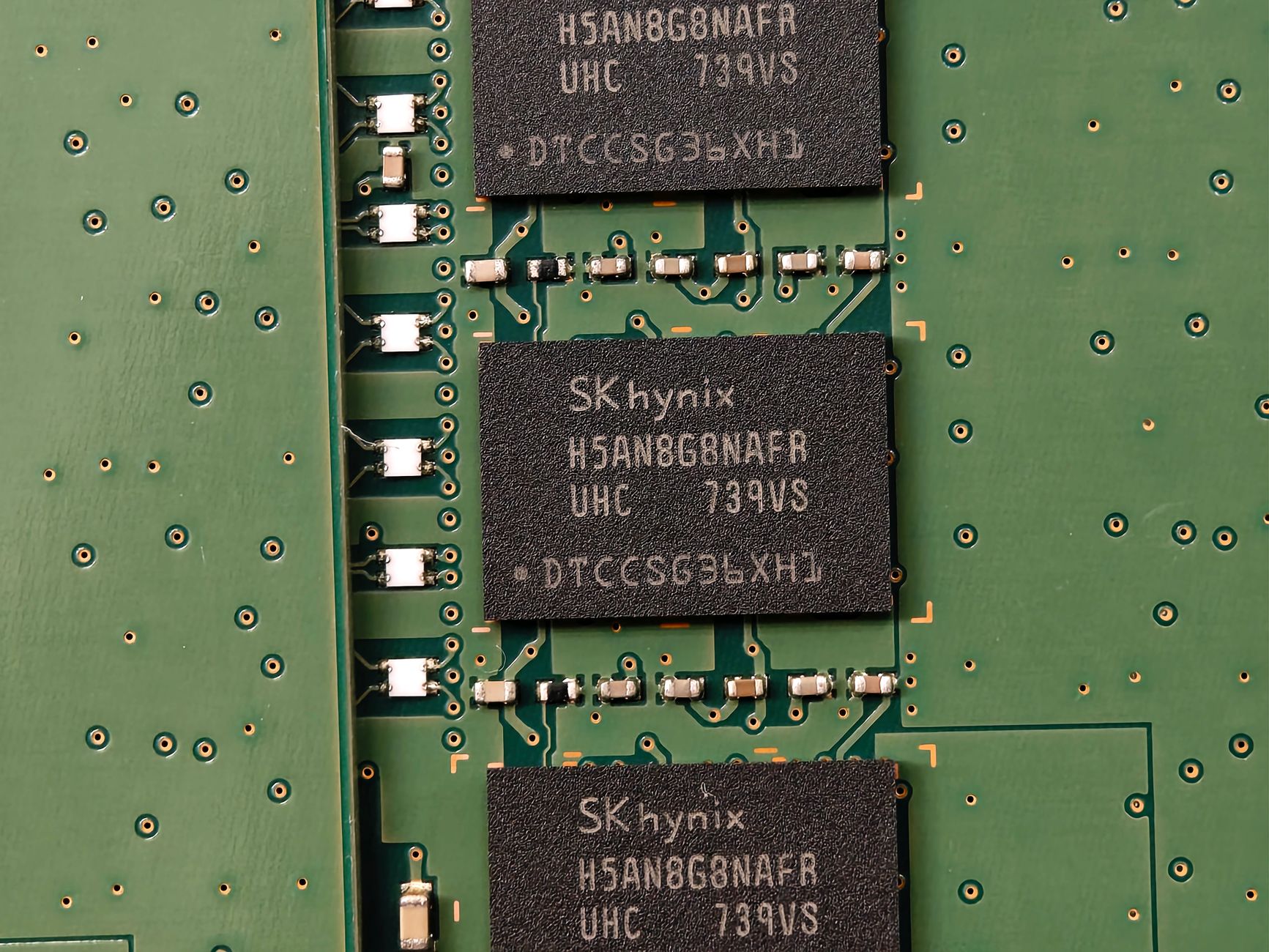
Intel deal for memory chips is under exploration by SK Hynix, signaling a potential shift in the semiconductor landscape. This development could have significant implications for the industry.
Overview of SK Hynix and Intel
SK Hynix, a leading South Korean semiconductor manufacturer, has established itself as a key player in the global memory chip market. The company is renowned for producing dynamic random-access memory (DRAM) and NAND flash memory, which are pivotal for various electronic devices. Recently, SK Hynix has been exploring an Intel deal for memory chips that could enhance its manufacturing capabilities in the United States.
Intel, an American multinational corporation, is recognized for its innovations in microprocessors and semiconductor technology. The potential collaboration between SK Hynix and Intel aims to address the growing demand for memory solutions, particularly in the context of artificial intelligence and data centers.
As both companies navigate the competitive landscape, the implications of this deal could reshape the memory chip industry, benefiting not only the companies involved but also the wider technology sector.
Current State of Memory Chip Manufacturing
The current state of memory chip manufacturing is witnessing significant shifts, driven by technological advancements and strategic partnerships. Major players like SK Hynix and Intel are at the forefront of this transformation, with the recent Intel deal for memory chips becoming a focal point in industry discussions.
As demand for memory chips continues to soar due to the rise in artificial intelligence, cloud computing, and gaming, manufacturers are challenged to keep pace with innovation. The competition is fierce, and companies are exploring various strategies to enhance production capabilities and efficiency.
Key trends influencing the market include:
- Increased investment in research and development.
- Expansion of manufacturing facilities to meet growing demand.
- Collaboration between tech giants to leverage expertise and resources.
As SK Hynix evaluates the Intel deal for memory chips, its implications for the company’s future strategies remain to be seen.
Implications of the Intel Deal
The recent Intel deal for memory chips has raised several implications for SK Hynix, particularly in the context of the competitive landscape of the semiconductor industry. As global demand for memory chips continues to surge, this partnership may provide SK Hynix with a strategic advantage in accessing advanced technology and manufacturing capabilities.
Furthermore, the collaboration could lead to:
- Increased production efficiency by leveraging Intel’s expertise in chip design.
- Enhanced market presence in the United States, which remains a critical market for memory products.
- Opportunities for innovation through shared research and development efforts.
However, there are potential risks involved, such as dependency on Intel for key technologies and the challenges of aligning corporate strategies. Ultimately, the success of the Intel deal for memory chips will significantly depend on how both companies navigate these complexities.
Market Reactions to the Potential Partnership
Market reactions to the potential partnership between SK Hynix and Intel have been mixed, reflecting the uncertainties inherent in the semiconductor industry. Analysts have noted that while an Intel deal for memory chips could bolster SK Hynix’s position in the competitive landscape, it also raises questions about the long-term impact on pricing and supply chains.
Some investors are optimistic, citing the potential for increased production capabilities and access to advanced technology. This could enhance SK Hynix’s ability to meet growing global demand. On the other hand, skeptics worry about the challenges of integrating operations and the risks associated with relying on a partnership for critical components.
In a recent survey, about 60% of market participants expressed cautious optimism, while 40% highlighted concerns over market volatility and dependency on external partnerships. As discussions continue, the memory chip sector eagerly awaits further developments that could shape the future of both companies.
Future of Semiconductor Collaborations
The semiconductor industry is witnessing a significant shift as companies explore strategic collaborations to enhance production capabilities. The potential Intel deal for memory chips has raised questions about the future of partnerships in this sector. As global demand for memory solutions continues to soar, firms like SK Hynix are considering how such alliances can bolster their market positions.
Industry analysts believe that collaborations can lead to improved technological advancements and cost efficiencies. This is particularly vital as companies navigate supply chain challenges and competitive pressures. A partnership with Intel might not only streamline manufacturing processes but also foster innovation in next-generation memory technologies.
Furthermore, the evolving landscape of semiconductor regulations and trade policies may incentivize companies to work together more closely. By pooling resources and expertise, SK Hynix and Intel could set a precedent for future collaborations, ultimately reshaping the semiconductor market for years to come.
Photo by Adriano Ponte Abreu on Pexels
Read the original
Google Pixel updates: Best features for a smarter experience · Fire TV sideloading: Is this update a smart move for users? · Nvidia CUDA-Q Logical: Best Proven Tool for Quantum Research