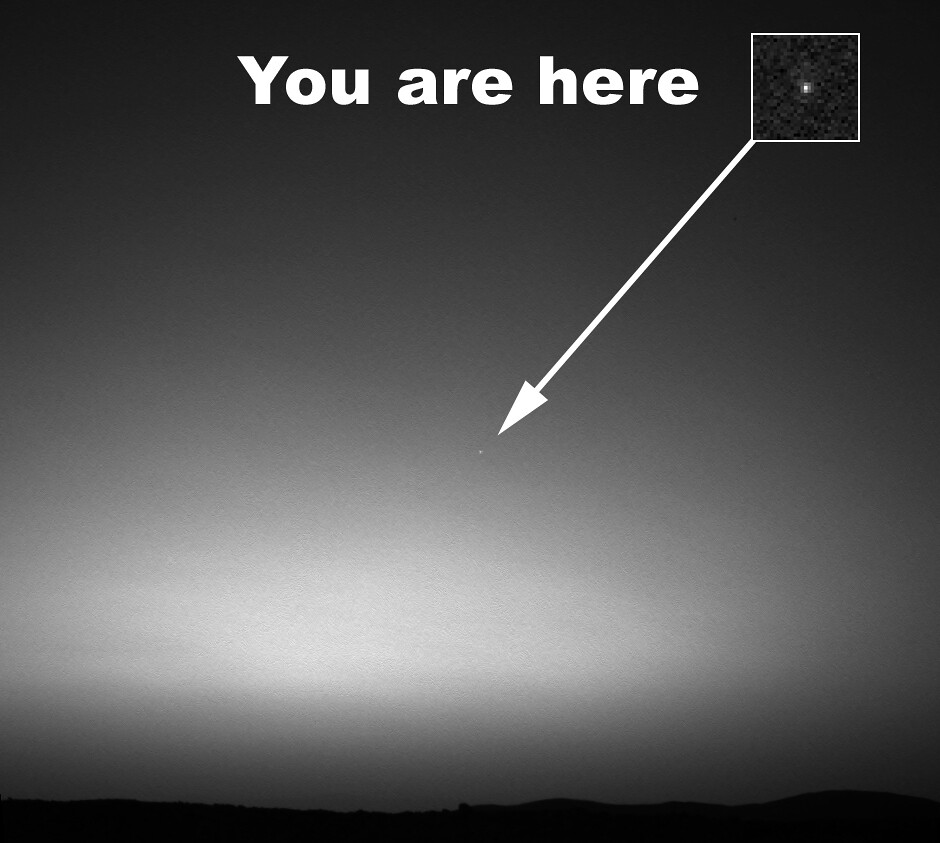
Earth and Mars are built from different cosmic recipes that highlight the unique processes that shaped each planet. Understanding these differences can provide valuable insights into planetary formation.
Understanding Planetary Formation
Planetary formation is a complex process shaped by a variety of factors, resulting in the distinct characteristics of bodies like Earth and Mars. Understanding these processes provides insight into why these two planets, despite both originating from the same solar nebula, have evolved so differently.
In the early solar system, dust and gas coalesced under gravity, forming larger bodies known as planetesimals. These planetesimals collided and merged, leading to the formation of protoplanets. However, the cosmic recipes for Earth and Mars varied significantly due to their positions in the solar system and the materials available in their respective regions.
- Earth: Located within the habitable zone, Earth benefited from a rich supply of volatile compounds, including water, which are essential for life. This allowed Earth to develop a thick atmosphere and significant geological activity.
- Mars: Positioned further from the Sun, Mars received less material and had a harsher environment. It formed with a thinner atmosphere, which limited its ability to retain heat and moisture, ultimately leading to its colder, arid landscape.
The differences in the formation of Earth and Mars highlight how small variations in conditions can lead to vastly different planetary outcomes, shaping the potential for life and geological processes.
The Role of Cosmic Ingredients
The formation of Earth and Mars showcases the significance of cosmic ingredients in shaping planetary bodies. While both planets share a similar origin in the solar system, the materials and processes that led to their development were strikingly different. Understanding these disparities can offer insights into their current geological characteristics and atmospheres.
Earth, often referred to as the “blue planet,” is rich in water and has a diverse range of minerals that support life. This abundance can be attributed to its position in the solar system, where it accumulated volatiles and heavier elements through a series of impactful events. In contrast, Mars, the “red planet,” exhibits a starkly different composition, favoring iron oxide and lacking significant water reserves. The varying amounts of these cosmic ingredients have resulted in a thinner atmosphere and a cooler climate on Mars.
Some key differences in the cosmic recipes of Earth and Mars include:
- Volatile Elements: Earth has retained a substantial amount of water, while Mars has lost much of its initial water content.
- Geological Activity: Earth’s tectonic activity has created a dynamic landscape, whereas Mars shows signs of past geological activity with limited current movement.
- Atmospheric Composition: Earth’s atmosphere is rich in nitrogen and oxygen, contrasting with Mars’ carbon dioxide-rich atmosphere.
These cosmic ingredients play a crucial role in defining the potential for life and the evolutionary paths of Earth and Mars.
Comparative Analysis of Earth and Mars
When examining the differences and similarities between Earth and Mars, a comparative analysis reveals fascinating insights into their formation and evolution. Both planets share a common heritage as rocky bodies within the solar system, yet their distinct characteristics stem from different cosmic recipes.
Earth, enriched with a diverse array of elements and compounds, supports a vibrant ecosystem. The presence of liquid water, a protective atmosphere, and a suitable distance from the Sun contribute to its ability to sustain life. Key factors in Earth’s development include:
- Volcanic Activity: Continual geological processes create a dynamic environment.
- Plate Tectonics: Movement of tectonic plates fosters a variety of landscapes.
- Magnetic Field: Protects the planet from solar radiation.
In contrast, Mars showcases a more barren landscape that hints at its tumultuous past. Although it is believed that Mars once had liquid water, its current arid conditions suggest a loss of essential elements over time. The defining aspects of Mars include:
- Thin Atmosphere: Composed mostly of carbon dioxide, limiting surface conditions.
- Lack of Magnetic Field: Increased vulnerability to solar wind.
- Geological Features: Evidence of ancient riverbeds and volcanic formations.
This comparative analysis underscores the distinct evolutionary paths of Earth and Mars, shaped by their unique cosmic recipes.
Implications for Future Space Missions
The differences between Earth and Mars, stemming from their unique cosmic recipes, have significant implications for future space missions. Understanding these variations can help scientists and engineers develop more effective strategies for exploration and potential colonization.
One major consideration is the availability of resources. Earth, rich in water and diverse minerals, presents a more favorable environment for sustaining human life and supporting complex missions. In contrast, Mars, with its thin atmosphere and limited access to liquid water, poses challenges that require innovative solutions. Future missions must focus on:
- Resource Utilization: Identifying and utilizing Martian resources, such as extracting water from ice deposits or converting carbon dioxide into breathable oxygen, is crucial for long-term sustainability.
- Habitat Development: Creating self-sufficient habitats that can withstand harsh Martian conditions while providing essential life support will be a top priority.
- Scientific Research: Understanding the geological and atmospheric differences can inform the search for microbial life and potential biosignatures, which is essential for astrobiology.
Moreover, the comparative analysis of Earth and Mars not only shapes mission objectives but also influences the design of spacecraft and landing technologies. As humanity prepares for potential manned missions to Mars, these implications guide the necessary advancements in technology, ensuring that we are well-equipped to tackle the mysteries of our neighboring planet.
Key Discoveries in Planetary Science
Recent research has unveiled several key discoveries in planetary science that shed light on the contrasting natures of Earth and Mars. Understanding these differences is crucial for unraveling the mysteries of our solar system and the potential for life beyond Earth.
One significant finding is the composition of the two planets. Scientists have identified that Earth and Mars were formed from different cosmic ingredients. This divergence in their elemental makeup has profound implications for their geological and atmospheric development.
- Water Reserves: Evidence suggests that Earth possesses abundant water, which has played a vital role in shaping its climate and supporting life. In contrast, Mars has limited water reserves, primarily in the form of ice, affecting its capacity to sustain life.
- Atmospheric Differences: The atmospheres of these planets are vastly different. Earth’s atmosphere is rich in nitrogen and oxygen, essential for life, whereas Mars has a thin atmosphere dominated by carbon dioxide, making it inhospitable.
- Geological Activity: Earth is geologically active, with tectonic movements shaping its surface. Mars, however, shows signs of past geological activity, raising questions about its evolutionary history and potential for past life.
These discoveries not only enhance our understanding of Earth and Mars but also guide future explorations and the search for extraterrestrial life.
By NASA Goddard Photo and Video via Openverse