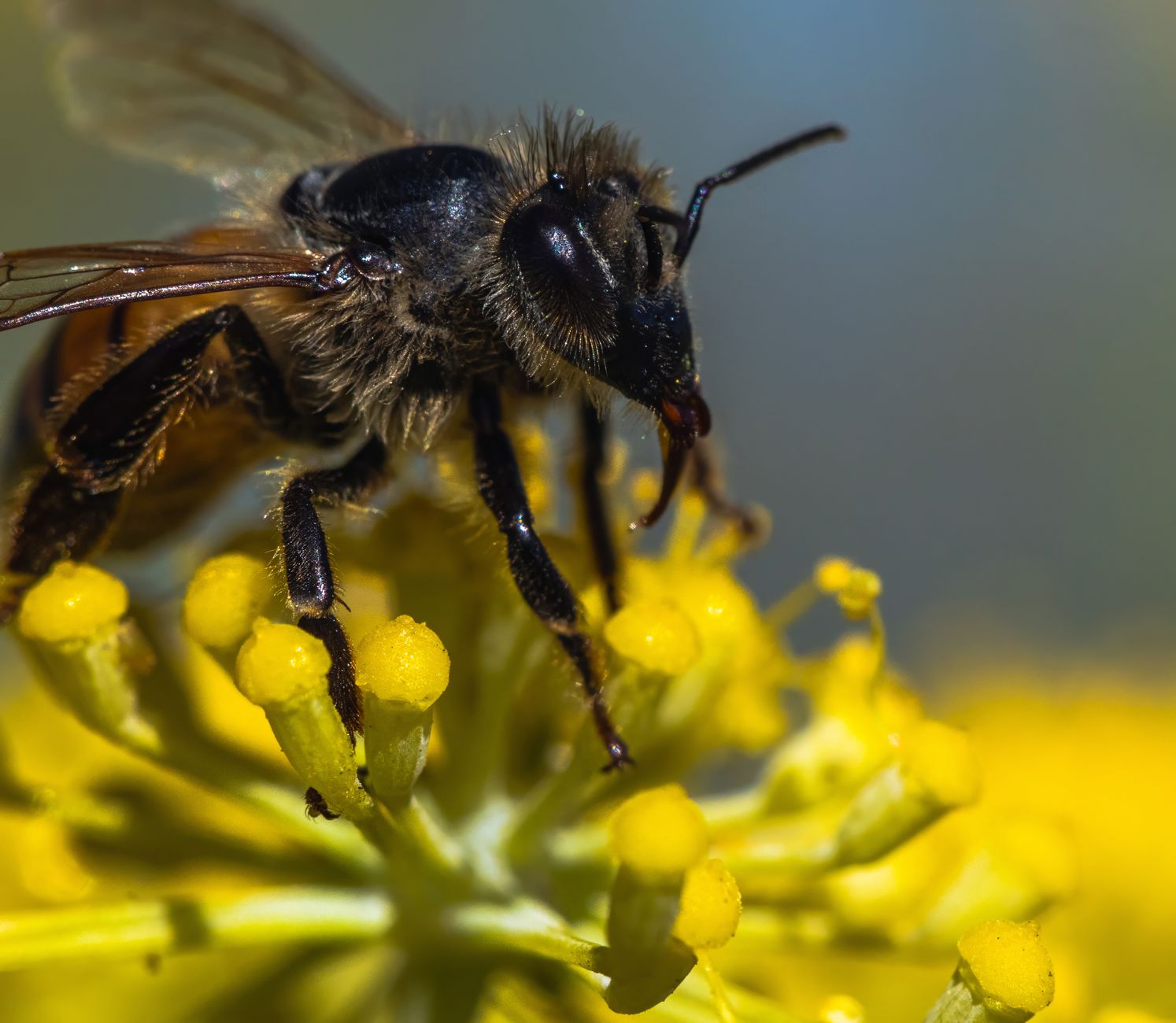
Honey bee stingers are remarkable in how they keep pumping venom after detachment. This high-speed video sheds light on the intricate mechanics of their stingers and their impact on the bees’ survival.
Understanding Honey Bee Stingers
Honey bee stingers are fascinating biological structures that play a crucial role in the defense mechanism of these industrious insects. When a honey bee stings, it injects venom into its target, which serves to deter threats to the hive. What many may not realize is that honey bee stingers have a unique ability to continue pumping venom even after the bee has detached from its target.
Recent studies utilizing high-speed video technology have shed light on this remarkable phenomenon. The stinger, equipped with barbs, lodges itself into the skin of the victim, allowing it to remain while the bee flies away. This detachment triggers a mechanical response, enabling the venom sac to continue delivering venom for several seconds.
Key insights from this research include:
- The structure of the stinger: It consists of two barbed lancets that facilitate deeper penetration.
- The role of the venom sac: Once detached, it continues to contract, pushing venom through the stinger.
- The impact on the victim: The delayed release of venom can lead to increased pain and swelling.
Understanding honey bee stingers not only enhances our knowledge of bee behavior but also highlights the evolutionary adaptations that aid in their survival.
The Science Behind Venom Pumping
The mechanics of honey bee stingers reveal fascinating insights into their venom delivery system. When a honey bee stings, it injects venom through its barbed stinger, which can remain embedded in the skin of its target. This unique structure allows the stinger to continue pumping venom even after the bee has detached from its victim.
Researchers conducted high-speed video analysis to observe this process in action. They discovered that the stinger’s pumping mechanism is not merely a one-time event. Instead, it operates in a rhythmic manner, allowing for a sustained release of venom. This is critical for the honey bee, as the venom serves both defensive and offensive purposes.
- Defensive mechanism: The venom deters predators and protects the hive.
- Offensive tool: The venom can incapacitate prey or rivals, ensuring survival and dominance.
Interestingly, the continued pumping of venom after the stinging event is a double-edged sword for the honey bee. While it maximizes the impact of the sting, it ultimately leads to the bee’s death, as the stinger and associated organs are torn from its body.
This remarkable adaptation highlights the evolutionary trade-offs faced by honey bees and underscores the importance of understanding honey bee stingers in the context of their behavior and survival.
Implications for Bee Survival
The implications of honey bee stingers and their ability to pump venom even after detachment are significant for both individual bees and their colonies. This unique adaptation plays a crucial role in the defense mechanisms of honey bees, providing them with a means to deter threats effectively. When a honey bee stings, it not only injects venom but can continue to pump additional venom into its target, increasing the impact of its defensive action.
Such a mechanism ensures that the bee can deliver a potent dose of venom, which may be enough to deter larger predators or threats to the hive. However, this impressive ability comes at a cost. Once a honey bee stings, it often sacrifices its life, as the stinger remains embedded in the target along with its venom sac. This self-sacrificial behavior highlights the importance of the bee’s role within its colony; protecting the hive is paramount, even if it means the loss of individual bees.
The survival of honey bee populations relies on this complex interplay of aggressive defense and community-oriented sacrifice. Understanding the role of honey bee stingers in their survival strategies can help inform conservation efforts aimed at protecting these vital pollinators.
High-Speed Video Insights
Recent advancements in high-speed video technology have provided researchers with unprecedented insights into the mechanics of honey bee stingers. These studies reveal the extraordinary ability of honey bee stingers to continue pumping venom even after detachment from the bee’s body. This phenomenon plays a crucial role in the effectiveness of the bee’s defense mechanism.
Through high-speed footage, scientists observed the stinger’s barbed structure, which ensures that it remains lodged in the skin of its target. After the bee stings, the muscle contractions in the venom sac continue to push venom through the stinger, delivering a potent mixture of toxins.
Key findings from the research include:
- Duration of Venom Pumping: The venom can be pumped for several seconds, significantly increasing the amount delivered.
- Impact on Predators: This extended delivery can deter predators, enhancing the survival chances of the hive.
- Bee Physiology: The physical structure of the stinger is vital for its effectiveness, demonstrating an evolutionary adaptation for defense.
These high-speed video insights into honey bee stingers underscore the importance of understanding their venom delivery system, not just for scientific knowledge but also for conservation efforts aimed at protecting these essential pollinators.
What This Means for Beekeeping
The recent discoveries about honey bee stingers and their venom pumping capabilities have significant implications for beekeeping practices. Understanding how honey bees deliver venom can help beekeepers manage hives more effectively and minimize the risk of stings. With the knowledge that honey bee stingers continue to pump venom after detachment, beekeepers may need to rethink their approach to hive inspections and swarm management.
One important consideration is the timing of hive interactions. Beekeepers should be cautious during peak foraging times when bees are more likely to feel threatened. Additionally, wearing protective gear is essential, as the risk of being stung remains high when bees are agitated.
Moreover, educating beekeepers about the nature of honey bee stingers can foster a better understanding of bee behavior. This knowledge can lead to the development of new techniques in hive handling that reduce the likelihood of stings.
Ultimately, the insights gained from studies on honey bee stingers could enhance the safety of both bees and beekeepers, promoting a healthier relationship between humans and these vital pollinators.
Photo by Robert So on Pexels