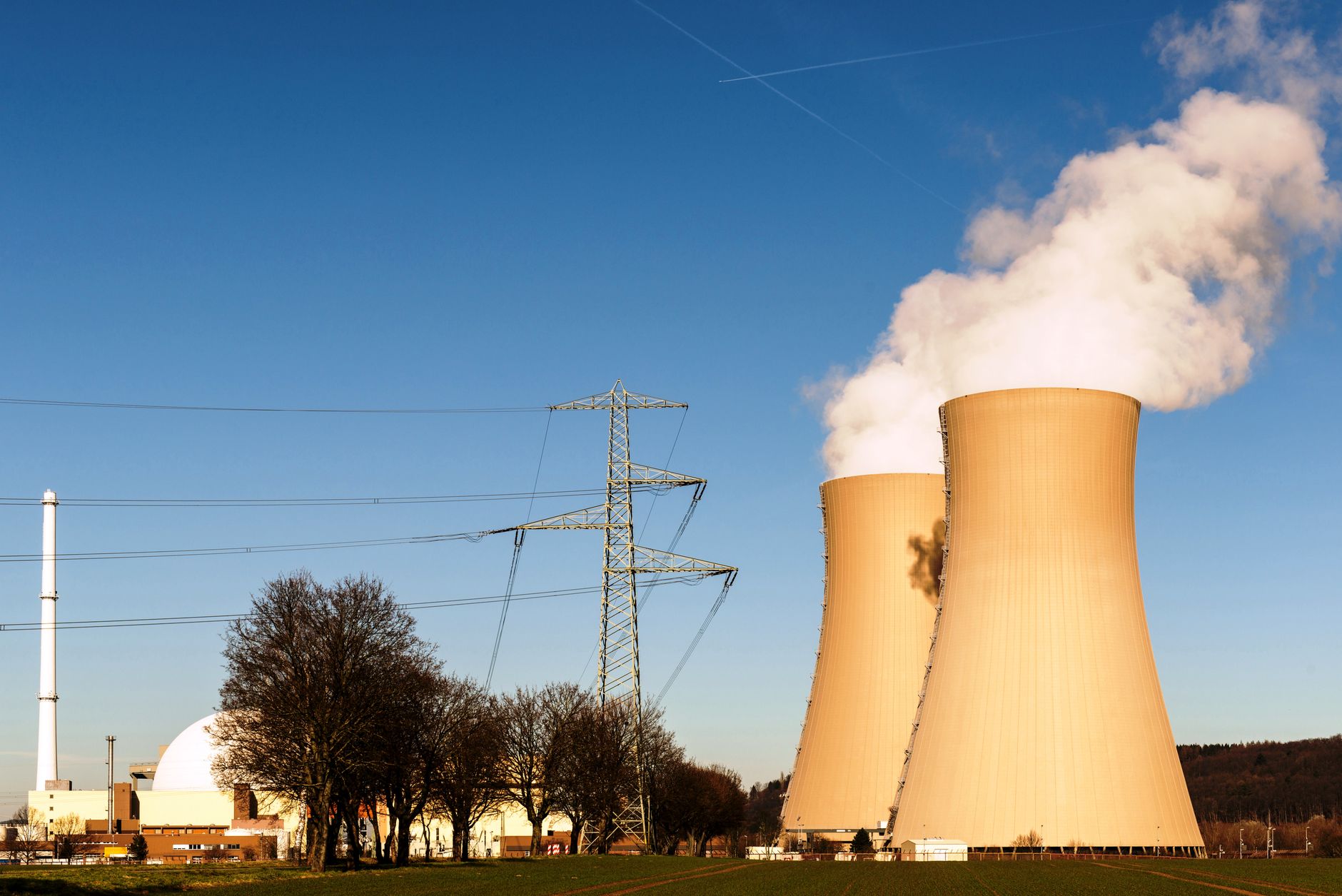
nuclear power costs are hindering wider adoption in India, according to ReNew CEO. This raises questions about the future of energy in the country.
Understanding Nuclear Power Costs
Nuclear power has emerged as a potential solution to India’s growing energy demands, but understanding nuclear power costs is crucial for evaluating its feasibility. Several factors contribute to the overall expenses associated with nuclear energy, which can be significantly higher than other energy sources.
One primary aspect of nuclear power costs is the initial capital investment required for building nuclear plants. This includes expenses related to:
- Construction materials and labor
- Advanced technology and safety measures
- Regulatory compliance and licensing
Moreover, the long construction timelines often lead to increased financial burdens. Delays can escalate costs, making nuclear energy less attractive compared to rapidly deployable renewable sources like solar and wind.
Operational costs, including maintenance, staff training, and waste management, are additional considerations that can impact the overall economic viability of nuclear power. These ongoing expenses are compounded by the potential costs of decommissioning aging reactors.
Despite these challenges, proponents argue that nuclear energy can provide a stable and low-carbon power source. However, without addressing the high nuclear power costs, India may struggle to fully embrace its potential. The balance between safety, sustainability, and affordability will play a vital role in shaping the future of nuclear energy in the country.
The Future of Energy in India
The future of energy in India is a topic of significant importance, especially as the nation aims to balance its growing energy needs with sustainability. With the increasing demand for reliable energy sources, nuclear power is often considered a viable option. However, the nuclear power costs associated with building and maintaining these facilities can be a substantial barrier to their widespread adoption.
India’s energy landscape is evolving, and various factors contribute to its future direction. Some of the key considerations include:
- Investment in Infrastructure: Significant financial resources are required to develop nuclear power plants, which can deter potential investors.
- Public Perception: Safety concerns and environmental issues related to nuclear energy can influence public opinion and acceptance.
- Government Policies: Supportive policies and incentives are crucial for making nuclear power a more attractive option in the energy mix.
- Technological Advances: Innovations in nuclear technology could potentially lower costs and enhance safety, making it a more feasible energy source.
As India seeks to reduce its carbon footprint and secure a stable energy future, addressing the economic implications of nuclear power costs will be essential. Only by navigating these challenges can India fully realize the potential of nuclear energy as a cornerstone of its energy strategy.
Challenges in Nuclear Energy Adoption
The adoption of nuclear energy in India faces several challenges, with nuclear power costs emerging as a significant barrier. Despite the potential of nuclear energy to provide a stable and low-carbon alternative to fossil fuels, the financial implications cannot be overlooked.
Several factors contribute to the high nuclear power costs in India:
- Initial Investment: The construction of nuclear power plants requires substantial upfront capital, which can deter investors and raise financial concerns.
- Regulatory Hurdles: The complex regulatory framework surrounding nuclear energy can lead to delays and additional costs, making projects less attractive.
- Technological Challenges: Advanced technologies necessary to ensure safety and efficiency can add to the overall expenses, further straining budgets.
- Public Perception: Concerns over safety and waste management can influence public opinion, potentially leading to opposition against new nuclear projects and impacting investment.
Moreover, the competition from rapidly declining renewable energy costs complicates the landscape for nuclear power. As solar and wind energy become more economically viable, the pressure on nuclear energy to reduce costs intensifies. If nuclear power costs remain high, it may struggle to secure its place in India’s energy mix, hampering the country’s transition to sustainable energy solutions.
ReNew CEO’s Insights on Energy
In a recent discussion, the CEO of ReNew highlighted the critical barriers that nuclear power costs present to its broader adoption in India. He emphasized that while nuclear energy has the potential to significantly contribute to the country’s energy mix, the financial implications cannot be overlooked.
The CEO noted several factors influencing the overall costs associated with nuclear power:
- Initial Infrastructure Investment: The construction of nuclear power plants requires substantial upfront capital, which can deter investors.
- Regulatory Challenges: Complex regulatory frameworks can lead to delays and unexpected expenses, further inflating costs.
- Technological Development: Advancements in technology are necessary to improve efficiency and reduce operational costs, but these require significant funding.
- Public Perception: Concerns over safety and environmental impact can influence public policy and funding decisions, complicating the financial landscape.
The CEO’s insights suggest that addressing these nuclear power costs is essential for fostering a more favorable environment for investment in nuclear energy. He argued that a strategic approach involving government support and public-private partnerships could mitigate these financial barriers, ultimately paving the way for a more sustainable energy future in India.
As the nation seeks to diversify its energy sources, the conversation around nuclear power costs remains crucial to its energy policy and economic stability.
Comparing Renewable Energy Options
As India seeks to diversify its energy portfolio, the comparison between nuclear power and renewable energy options becomes crucial. Renewable energy sources, such as solar and wind, have witnessed a significant reduction in costs over the past decade, making them more appealing alternatives to nuclear power.
According to industry experts, the cost of solar energy has plummeted by over 80% since 2010, while onshore wind energy costs have also decreased substantially. This trend raises questions about the viability of nuclear power in India, particularly when high nuclear power costs may hinder wider adoption, as noted by the ReNew CEO.
In contrast, renewable energy systems offer several advantages:
- Flexibility: Renewable energy sources can be deployed at various scales, from small rooftop solar systems to large wind farms.
- Job Creation: The renewable sector generates more jobs per unit of energy produced compared to nuclear power.
- Investment Potential: Lower initial investment and faster installation timelines make renewables more attractive to investors.
However, challenges still exist for renewables, such as intermittency and storage issues. The integration of nuclear energy could potentially complement renewable sources, but the high nuclear power costs remain a significant barrier to its widespread adoption in India.
Government Policies Affecting Nuclear Power
The landscape of nuclear energy in India is significantly influenced by government policies, which play a crucial role in shaping the economic framework surrounding nuclear power costs. As the country aims to enhance its energy portfolio, the government is tasked with creating a conducive environment for nuclear power development.
One of the primary concerns is the high capital investment required for nuclear projects. This has led to the implementation of various initiatives aimed at reducing costs and streamlining processes. Some of the key policies include:
- Streamlined Regulatory Framework: Efforts to simplify the approval process for nuclear projects can help lower initial expenditures.
- Incentives for Research and Development: By investing in R&D, the government can promote advancements in nuclear technology, potentially reducing future nuclear power costs.
- Public-Private Partnerships: Collaborations with private entities can help distribute financial risks and improve the efficiency of nuclear projects.
- International Collaborations: Engaging with global nuclear technology leaders can facilitate knowledge transfer, which might lead to cost-effective solutions.
Despite these initiatives, the high nuclear power costs remain a substantial barrier to broader adoption. Without significant reforms and sustained governmental support, the potential of nuclear energy in India may not be fully realized, hindering the transition toward a more diverse energy landscape.
Public Perception of Nuclear Energy
The public perception of nuclear energy in India is shaped by various factors, including safety concerns, environmental impact, and, significantly, nuclear power costs. Many citizens remain skeptical about the feasibility of nuclear energy as a reliable alternative to traditional fossil fuels and renewable sources.
According to surveys, the awareness of nuclear energy’s potential benefits is limited, and misconceptions often dominate discussions. A considerable number of individuals associate nuclear power primarily with the risks highlighted by historical accidents, such as the Fukushima disaster. This leads to a prevailing fear that overshadows the advantages of cleaner energy production.
Furthermore, the perception of high nuclear power costs exacerbates this skepticism. Many see the financial investment required for nuclear infrastructure as a barrier that could divert funds from more immediate energy solutions. The idea that nuclear energy might not deliver cost-effective results compared to rapidly evolving renewable technologies contributes to public hesitance.
Efforts to educate the public about the long-term benefits of nuclear energy, including its potential for reducing carbon emissions and dependence on fossil fuels, are crucial. Stakeholders must address the concerns surrounding nuclear power costs and emphasize its role in India’s energy future to shift public opinion positively.
Ultimately, overcoming the barriers of perception will require collaboration between government entities, educational institutions, and the private sector to foster a more informed dialogue about nuclear energy in India.
Global Trends in Nuclear Power
As countries around the globe grapple with the transition to cleaner energy sources, the landscape of nuclear power remains complex. Nuclear power costs have been a contentious issue, influencing both policy decisions and public perception.
Several nations are investing heavily in nuclear technology, recognizing its potential to provide a stable energy supply while reducing carbon emissions. For instance, in the United States, ongoing discussions about revamping aging reactors have highlighted the balance between safety, costs, and environmental benefits. Similarly, European countries are reassessing their nuclear strategies amidst rising energy prices and climate commitments.
- France continues to rely significantly on nuclear energy, with around 70% of its electricity generated from reactors, showcasing a robust model for energy independence.
- China is rapidly expanding its nuclear capacity, aiming to become a leader in nuclear technology and reduce reliance on coal.
- Russia has also increased its investment in nuclear, promoting technologies that promise lower costs and enhanced safety features.
However, the global trend towards nuclear energy is often tempered by the high initial investment and operational costs associated with constructing and maintaining nuclear facilities. Such financial barriers may hinder wider adoption in countries like India, where the need for affordable energy sources is more pressing.
Photo by Wolfgang Weiser on Pexels