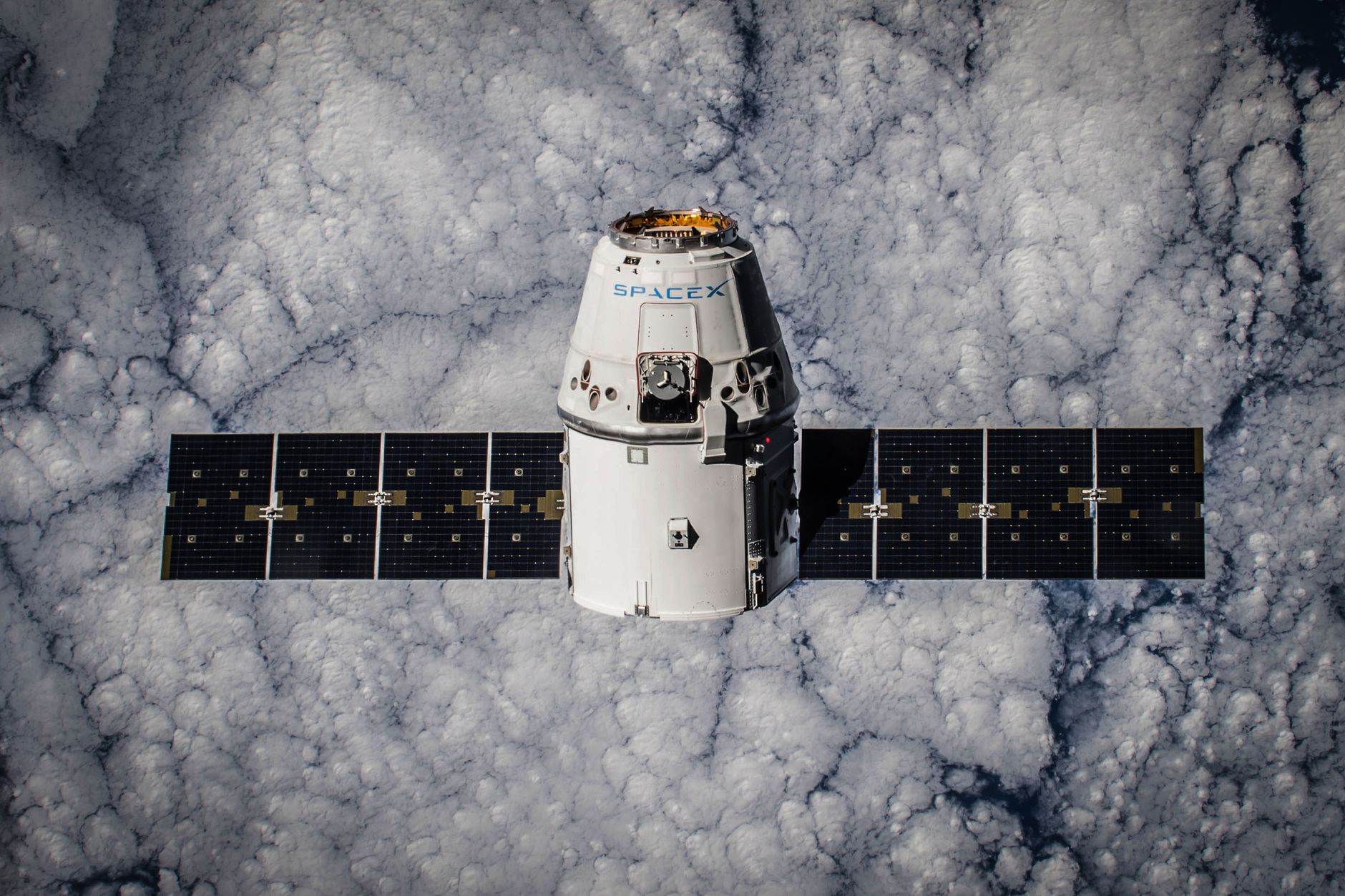
The moon base plan announced by NASA represents a significant step forward in space exploration. This ambitious initiative is set to cost $20 billion and aims to establish a sustainable human presence on the lunar surface.
Overview of NASA’s Moon Base Plan
NASA has unveiled an ambitious moon base plan that aims to establish a sustainable presence on the lunar surface. This initiative, projected to cost around $20 billion, is a significant step in advancing space exploration. The goal is to create a foundational hub that not only supports scientific research but also prepares for future missions to Mars and beyond.
The project will involve several key components:
- Infrastructure Development: Construction of living and working facilities for astronauts, equipped with essential life support systems.
- Scientific Research: Conducting experiments in lunar geology, astronomy, and biology to enhance our understanding of the Moon and its resources.
- Resource Utilization: Exploring the potential for using lunar materials, such as water ice, to support human activities and fuel future missions.
- International Collaboration: Partnering with other space agencies and private companies to share knowledge, technology, and resources.
This moon base plan represents a pivotal moment in space exploration, emphasizing sustainability and innovation. By establishing a permanent outpost on the Moon, NASA aims to unlock new opportunities for scientific discovery and pave the way for humanity’s journey to deeper space. As the project progresses, it is expected to generate excitement and inspire a new generation of scientists, engineers, and explorers.
Funding and Budget for the Moon Base
The ambitious moon base plan announced by NASA is projected to require a substantial investment of approximately $20 billion. This funding is critical for the development and establishment of a sustainable human presence on the lunar surface.
To break down the budget allocation:
- Infrastructure Development: A significant portion will be dedicated to constructing habitats and support facilities necessary for long-term habitation.
- Transportation: Investments will also be made in rockets and spacecraft that will transport astronauts and equipment to and from the Moon.
- Research and Development: Funds will support innovative technologies, including life support systems and lunar rovers, to facilitate exploration and scientific research.
- International Partnerships: NASA aims to collaborate with other space agencies and private enterprises, sharing costs and expertise.
Funding for the moon base plan will come from various sources, including federal budgets and potential partnerships with commercial entities. As public interest in space exploration continues to grow, there is hope that increased funding will pave the way for groundbreaking discoveries that could benefit humanity.
Ultimately, the success of the moon base initiative relies on careful financial planning and the ability to leverage additional resources as the project progresses.
Benefits of a Lunar Base
The establishment of a lunar base, as outlined in NASA’s $20 billion moon base plan, promises to yield significant benefits for space exploration and scientific advancement. The potential advantages include:
- Scientific Research: A permanent presence on the moon would facilitate extensive scientific studies. Researchers could conduct experiments in lunar geology, biology, and physics that are not possible on Earth.
- Resource Utilization: The moon is rich in resources such as helium-3, which could be harnessed for future energy needs. Additionally, water ice found in lunar craters could support life and fuel spacecraft.
- Technological Advancements: Developing technologies for sustaining human life and operations on the moon could lead to breakthroughs in robotics, life support systems, and habitat construction, benefiting both space exploration and terrestrial applications.
- International Collaboration: The moon base plan encourages global partnerships, fostering collaboration among various countries and space agencies, which can lead to shared knowledge and innovation.
- Preparation for Mars Missions: A lunar base would serve as a testing ground for technologies and strategies needed for future manned missions to Mars, helping to ensure mission success and safety.
In summary, the benefits of a lunar base extend far beyond the moon itself, positioning humanity for a brighter future in space exploration.
Timeline for Construction
The timeline for the construction of the moon base plan is ambitious yet achievable, according to NASA officials. The project is expected to unfold in several key phases, each designed to maximize efficiency and innovation in lunar exploration.
Initially, the groundwork for the moon base is projected to begin in 2025, coinciding with the upcoming Artemis missions. The first phase will focus on selecting suitable landing sites and conducting preliminary surveys of the lunar surface to identify resources.
By 2026, NASA aims to deploy robotic missions that will lay the foundation for the base. This includes the construction of essential infrastructure, such as power systems and habitats, which will support future human missions.
The next phase, anticipated to commence in 2028, will involve sending astronauts to establish a permanent presence. These missions will serve dual purposes: testing new technologies and conducting scientific research in the lunar environment.
By 2030, NASA plans to have a fully operational moon base that could serve as a launch point for deeper space missions, including Mars exploration. This timeline reflects the agency’s commitment to fostering international partnerships and advancing human spaceflight capabilities.
With a projected completion date set for 2035, the moon base plan represents a significant leap forward in humanity’s quest to explore the final frontier.
Technological Innovations in Space
NASA’s ambitious moon base plan encompasses several groundbreaking technological innovations that are set to redefine space exploration. These advancements not only promise to enhance our capabilities but also aim to make lunar habitation more viable for future generations.
One of the core innovations is the development of advanced habitat structures designed to withstand the harsh lunar environment. These habitats will utilize materials sourced from the Moon itself, reducing the need to transport supplies from Earth. This approach not only saves costs but also supports the sustainability of a permanent lunar presence.
Additionally, NASA is investing in robotics and autonomous systems to assist in construction and maintenance tasks on the Moon. These technologies will allow for efficient operations while minimizing human risk, thus expediting the establishment of the lunar base.
Another key area of focus is the advancement of in-situ resource utilization (ISRU) technologies. By extracting water and oxygen from lunar resources, astronauts can significantly extend their stays and support life on the Moon. This capability is crucial for long-term missions and will lay the groundwork for future deep-space exploration.
Moreover, the integration of advanced communication systems will ensure real-time connectivity between Earth and the Moon. This will facilitate data sharing, scientific research, and operational coordination, which are essential for the success of the moon base plan.
International Collaboration on Lunar Missions
The ambitious moon base plan has sparked significant interest in international collaboration on lunar missions. Various countries and space agencies are recognizing the potential benefits of working together to explore the Moon and develop sustainable habitats for future generations.
One of the key aspects of this collaboration is the pooling of resources and expertise. Countries such as Japan, Canada, and members of the European Space Agency (ESA) are already in discussions with NASA to contribute to the moon base plan. By integrating their technological advancements and scientific knowledge, these nations aim to enhance the overall success of lunar exploration.
Moreover, international partnerships can help mitigate costs associated with the $20 billion budget. Shared investments in research and development, as well as joint missions, can facilitate a more efficient allocation of funds. This not only eases the financial burden on individual nations but also fosters a spirit of cooperation that transcends political boundaries.
Additionally, the collaboration opens avenues for cultural exchange and shared scientific discoveries. Working together on the lunar surface can lead to innovative solutions for living and working in space, which can be beneficial for both current and future missions beyond the Moon.
As nations unite under a common goal, the dream of establishing a permanent lunar base becomes more attainable, paving the way for exciting advancements in space exploration.
Photo by Luciana Evrard on Pexels