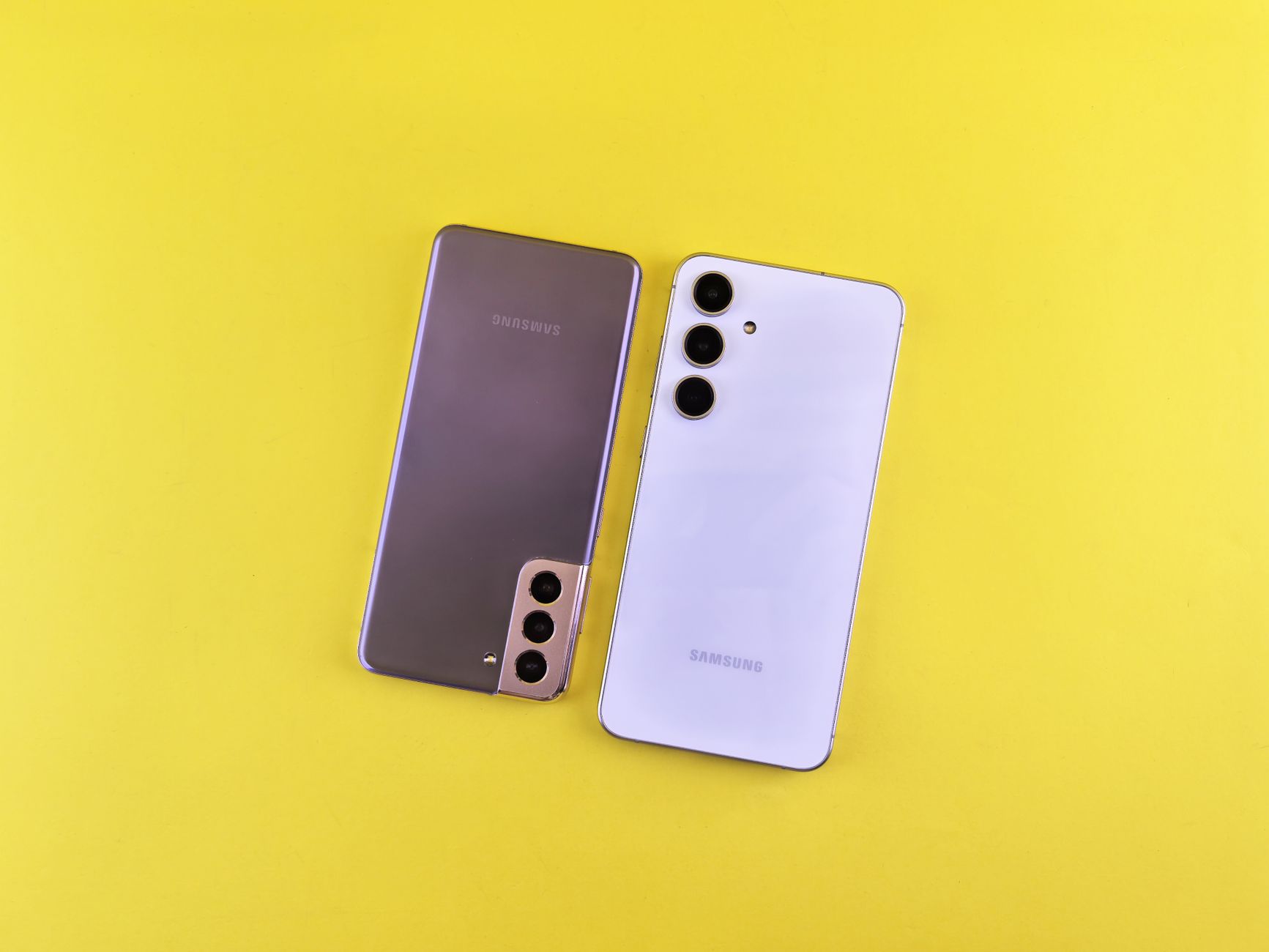
Samsung mid-budget smartphones have recently experienced a price increase, raising concerns among potential buyers about their affordability and value. This change could impact consumer choices in the competitive smartphone market.
Impact of Price Increase on Consumers
The recent price increase of Samsung mid-budget smartphones has left many consumers reeling. Buyers who were previously attracted to the affordability of these devices now face a tough decision. The increases have led to concerns about the overall value of the products in this category.
Many consumers are expressing frustration, as they had come to rely on Samsung for quality smartphones that fit their budgets. The new pricing has prompted buyers to consider alternatives from other brands, which may not only offer similar features but could also come at a lower cost.
As the market shifts, it’s essential to evaluate:
- The impact on sales for Samsung
- Consumer loyalty and brand perception
- Potential for emerging competitors
Ultimately, this price increase could reshape the landscape for Samsung mid-budget smartphones in the coming months.
Comparison with Competitors
The recent price increase of Samsung mid-budget smartphones has raised eyebrows among consumers, especially when compared to competitors in the market. Several brands, such as Xiaomi and Realme, continue to offer similar specifications at lower price points.
Many buyers are now questioning whether they should stick with Samsung or explore alternatives. Here are some key comparisons:
- Xiaomi Redmi Note 11: Offers a robust camera and battery life at a significantly lower price.
- Realme 9: Known for its fast performance and stylish design, this competitor often undercuts Samsung’s pricing.
- OnePlus Nord N200: A strong contender with 5G support, providing great value for budget-conscious consumers.
As the competition heats up, Samsung’s decision to raise prices might lead to a shift in consumer loyalty.
Reasons Behind the Price Hike
The recent price hike for Samsung mid-budget smartphones has left many consumers puzzled. Several factors have contributed to this unexpected increase.
- Rising Production Costs: The cost of materials and components has surged due to global supply chain disruptions, prompting manufacturers to adjust their pricing.
- Inflation: General inflation rates have affected the electronics market, leading to higher retail prices across various categories, including smartphones.
- Increased Competition: As the market for mid-budget smartphones becomes more competitive, brands may raise prices in an attempt to maintain profit margins.
- Enhanced Features: Newer models are being equipped with advanced technologies, which also contribute to the overall cost.
This combination of factors has resulted in a price increase that many consumers did not anticipate.
Future of Samsung’s Mid-Budget Lineup
The future of Samsung’s mid-budget smartphones appears uncertain following the recent price increase. Industry analysts suggest that this shift may alienate cost-conscious consumers who have come to rely on Samsung’s affordable options. As the competition intensifies, particularly from brands like Xiaomi and OnePlus, Samsung must adapt its strategy to maintain market share.
Many buyers are now questioning whether they should continue to invest in Samsung’s mid-budget lineup or explore alternatives. The company may need to consider innovative features or bundled offers to justify higher prices. Additionally, consumer feedback will be crucial in shaping future models.
As Samsung navigates these challenges, the brand’s commitment to quality and reliability will be key. The outcome of this price adjustment could redefine how Samsung’s mid-budget smartphones are perceived in a rapidly evolving market.
Expert Opinions on the Smartphone Market
Experts in the smartphone market have weighed in on the recent price increase of Samsung mid-budget smartphones, expressing concern over its implications for consumers and the brand’s competitive edge. According to technology analyst Mark Johnson, “Samsung’s decision to raise prices may alienate budget-conscious buyers who have come to rely on their affordable offerings.” He further emphasizes that this move could shift consumer loyalty towards rival brands that continue to provide competitive pricing.
Another industry expert, Emily Chen, notes that while Samsung’s mid-budget smartphones have traditionally offered great value, “the price hike may lead to a reevaluation of their value proposition.” She suggests that Samsung should focus on enhancing the features of their mid-budget lineup to justify the increased prices. As the market evolves, understanding consumer sentiment will be crucial for Samsung’s strategy moving forward.
The recent price increase has left many consumers questioning the value of Samsung mid-budget smartphones. As competition in the market heats up, buyers are concerned about whether these Samsung mid-budget smartphones will still meet their expectations.
Photo by Andrey Matveev on Pexels
References
Related reading
iPhone 17 Pro Max price drop: Best deal ahead of Black Friday · Infinix GT 50 Pro: Is It Worth the Price? A Clear Review · itel POWER 80 5G: The Best Smartphone with Proven Performance