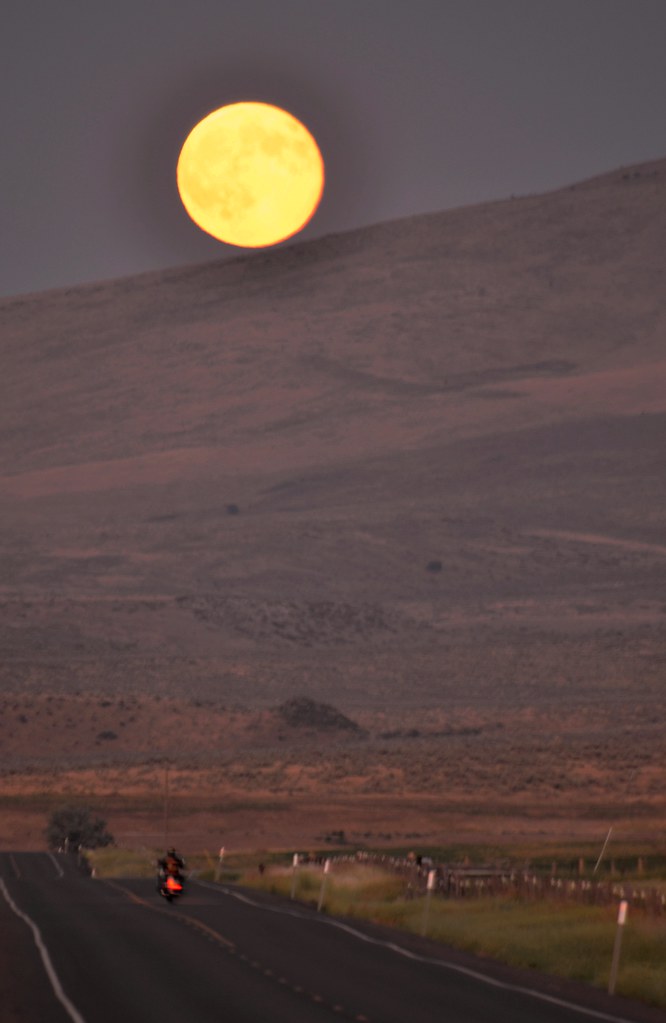
The supermoon event is approaching, and it’s set to be an extraordinary sight in the night sky. This celestial occurrence promises to be more impressive than usual, captivating skywatchers everywhere.
What is a supermoon?
A supermoon event occurs when the full moon coincides with the moon’s closest approach to Earth, known as perigee. This phenomenon makes the moon appear significantly larger and brighter in the night sky compared to its average size. The term “supermoon” was popularized in 1979 by astrologer Richard Nolle, who described it as a new or full moon that occurs when the moon is within 90% of its closest approach to Earth.
During a supermoon, the moon can appear up to 14% larger and 30% brighter than when it is at its farthest point, called apogee. This remarkable visual spectacle is a treat for skywatchers and casual observers alike. Many people take the opportunity to gather outdoors, capturing photographs and enjoying the beauty of the night sky.
There are typically three to four supermoons in a calendar year, creating multiple chances for enthusiasts to experience this stunning event. The next supermoon event promises to be particularly spectacular, drawing attention from astronomy fans and the general public.
In summary, a supermoon is not just an ordinary full moon; it is a unique astronomical occurrence that enhances the beauty of our night sky.
How often do supermoons occur?
The supermoon event is a fascinating astronomical phenomenon that occurs when the full moon coincides with its closest approach to Earth in its elliptical orbit, known as perigee. On average, supermoons happen approximately three to four times a year. However, the frequency can vary depending on the specific alignment of the moon’s orbit and the timing of the full moons.
In 2023, skywatchers can anticipate several supermoon events, each offering a spectacular view. These celestial displays are often more prominent than regular full moons, appearing larger and brighter in the night sky. The combination of a full moon and its proximity to Earth creates an impressive sight that captivates both amateur and seasoned astronomers alike.
Notably, the supermoon event can coincide with other astronomical occurrences, such as lunar eclipses or meteor showers, enhancing the overall experience for enthusiasts. This year, those interested in stargazing should mark their calendars for these special nights, as they present an excellent opportunity to witness the beauty of our nearest celestial neighbor.
In summary, while supermoons are not exceedingly rare, each occurrence offers a unique chance to enjoy the wonders of the night sky, making them a highly anticipated event for many.
Why is this supermoon special?
The upcoming supermoon event is set to be extraordinary due to several unique factors that enhance its visibility and overall impact on skywatchers. First and foremost, this supermoon will coincide with a perigee, the point in the moon’s orbit where it is closest to Earth. This proximity means the moon will appear larger and brighter than usual, creating a stunning visual spectacle.
Additionally, the timing of this supermoon event aligns with minimal light pollution in many areas, providing optimal conditions for viewing. Skywatchers in both urban and rural settings will have a chance to witness the moon’s magnificence against a darkened sky.
Another aspect contributing to its uniqueness is the seasonal context. As the supermoon occurs during a time of year when the nights are longer, observers will have extended hours to enjoy its brilliance. The moon’s illumination during this period will create striking contrasts against the landscape, making it an ideal opportunity for photography enthusiasts.
In summary, this supermoon event promises to deliver an unforgettable experience, making it a must-see for anyone interested in astronomy or simply enjoying the beauty of the night sky.
Tips for viewing the supermoon
As the highly anticipated supermoon event approaches, skywatchers are eager to make the most of this unique celestial phenomenon. Here are some essential tips to enhance your viewing experience:
- Find a dark location: To fully appreciate the brightness and size of the supermoon, seek out an area with minimal light pollution. Parks, open fields, or countryside spots are ideal.
- Check the weather: Clear skies are crucial for optimal viewing. Monitor local weather forecasts and choose a night when clouds are minimal.
- Use binoculars or a telescope: While the supermoon is stunning to the naked eye, using binoculars or a telescope can reveal intricate details of the lunar surface.
- Bring a camera: Capture the moment by photographing the supermoon. A tripod will help stabilize your shots for better results. Experiment with different settings to find the best exposure.
- Plan for timing: The supermoon will appear larger and more colorful near the horizon, so arrive early to witness this breathtaking sight.
By following these tips, you can make the most of the supermoon event and create lasting memories under the night sky.
The science behind supermoons
The science behind supermoons is both fascinating and intricate. A supermoon occurs when the moon is in its full phase and is also at its closest approach to Earth in its orbit, known as perigee. This proximity can make the moon appear up to 14% larger and 30% brighter than when it is at its farthest point, or apogee. The unique alignment of the moon’s orbit creates a spectacular visual experience for skywatchers.
Several factors contribute to the striking appearance of a supermoon event:
- Elliptical Orbit: The moon’s orbit is not a perfect circle but rather elliptical, meaning its distance from Earth varies.
- Atmospheric Conditions: Clear skies and low humidity can enhance visibility, making the moon appear even more vivid.
- Observer’s Location: Viewing the supermoon from a location with minimal light pollution can significantly improve the experience.
As the supermoon approaches, enthusiasts are encouraged to prepare for a night of breathtaking celestial beauty. Whether through photography or simply enjoying the view, the supermoon event offers a rare opportunity to connect with the wonders of the universe.
Historical significance of supermoons
The historical significance of supermoons stretches back through centuries, capturing the imagination of various cultures and civilizations. The supermoon event has often been associated with important agricultural, religious, and cultural practices.
Ancient farmers relied on the timing of the full moon to dictate planting and harvesting schedules, with the brightness of a supermoon providing additional light for nighttime activities. In many cultures, the supermoon has been linked to festivals and celebrations, symbolizing abundance and prosperity.
In addition to agricultural importance, supermoons have also played a significant role in mythology. Various civilizations, such as the Greeks and the Maya, viewed the moon as a powerful figure in their belief systems. The supermoon, in particular, was often seen as an omen, influencing everything from weather patterns to human behavior.
Moreover, astronomers have utilized supermoons to enhance their understanding of lunar cycles and the Earth-Moon relationship. The heightened visibility during these events allows for detailed observations and studies, contributing to our knowledge of celestial phenomena.
As we prepare for the upcoming supermoon event, it is essential to appreciate the rich historical tapestry woven around this astronomical occurrence, reminding us of its profound impact on human culture and understanding of the cosmos.
What to expect during the event
During the upcoming supermoon event, skywatchers can anticipate a breathtaking display of the moon that is larger and brighter than usual. As the moon reaches its closest point to Earth in its elliptical orbit, the phenomenon will provide an unparalleled opportunity for both amateur and experienced astronomers alike.
Here are some key aspects to expect:
- Enhanced Visibility: The supermoon will appear up to 14% larger and 30% brighter than a regular full moon, making it an ideal time for photography and stargazing.
- Perfect Timing: The event will occur on a clear night, providing optimal conditions for viewing. Check local weather forecasts to ensure a good sighting.
- Interactive Experiences: Many observatories and astronomy clubs are organizing events to facilitate public viewing, complete with telescopes and expert guidance.
- Unique Celestial Events: The supermoon may coincide with other astronomical events, such as meteor showers, enhancing the overall experience.
Overall, the supermoon event promises to be a memorable occasion for anyone looking to connect with the cosmos and enjoy the wonders of our night sky.
By TravelBakerCounty via Openverse