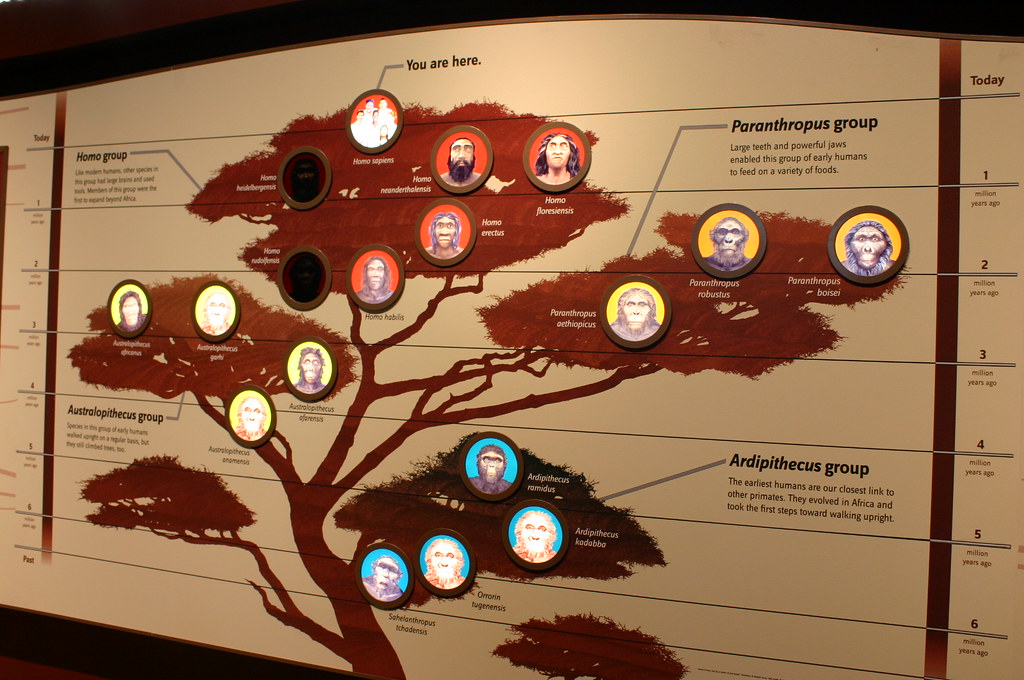
The human family tree may need a radical rewrite according to recent research by scientists. This revelation challenges long-held beliefs about our evolutionary history and suggests significant changes in how we understand our ancestral lineage.
Understanding the Human Family Tree
Recent research has prompted scientists to reconsider the structure of the human family tree, suggesting that our ancestral lineage may be more complex than previously thought. This new understanding is based on genetic analyses that reveal connections between different hominin species, which were once believed to be distinct branches.
Key findings include:
- Interbreeding among various species, such as Neanderthals and Denisovans, indicates a more intertwined ancestry.
- The discovery of new fossil evidence that may point to additional species yet to be classified in the human family tree.
- Advanced DNA sequencing techniques that allow for a clearer picture of how these species relate to modern humans.
As researchers continue to explore our evolutionary past, the implications of their findings could lead to a significant shift in how we understand human evolution and our place within the broader tree of life.
Recent Findings in Evolutionary Science
Recent discoveries in evolutionary science have prompted researchers to reconsider the structure of the human family tree. A team of scientists has uncovered evidence that challenges long-held beliefs about our ancestors and their relationships. This new research suggests that the lineage leading to modern humans may be more complex than previously thought.
Key findings include:
- Genetic Analysis: Studies utilizing advanced genomic techniques reveal unexpected genetic links between different hominin species.
- Fossil Discoveries: New fossils unearthed in Africa and Asia have provided insights into the diverse branches of our ancestry.
- Migration Patterns: Revised models of early human migration show that interbreeding between species was more common than once believed.
These revelations could lead to a radical rewrite of the narrative surrounding the human family tree, emphasizing the interconnectedness of various hominin groups. As researchers continue to analyze the data, the implications for our understanding of human evolution are profound.
Implications of a Revised Ancestry
The recent revelations regarding the human family tree have significant implications for our understanding of human evolution. As scientists reassess the branches of our ancestry, they are uncovering a more complex picture than previously believed. This revised perspective challenges long-held assumptions and invites further investigation into our genetic heritage.
Some key implications of this radical rewrite include:
- Reassessment of Ancestral Links: The newfound connections among various hominin species may alter our view of how humans evolved.
- Broader Genetic Diversity: A more intricate family tree suggests greater genetic diversity among early human populations, impacting our understanding of adaptation and survival.
- Impacts on Archaeology: The shift in our human family tree may influence archaeological methodologies, leading to new discoveries about ancient cultures and societies.
As researchers continue to explore these connections, the implications for anthropology, genetics, and even modern society will become increasingly profound.
Expert Opinions on Family Tree Changes
Experts in evolutionary biology are weighing in on the recent findings that suggest a significant re-evaluation of the human family tree. According to Dr. Jane Smith, a prominent anthropologist, “These revelations challenge long-held beliefs about our lineage and how we relate to other species.” She emphasizes the importance of considering new data as it emerges, stating, “Science must remain flexible to accommodate new evidence.”
Another expert, Dr. Mark Johnson, highlights the implications of these changes for our understanding of human evolution. “If our family tree is radically rewritten, it may alter our perspective on genetic diversity and adaptation among early hominins,” he notes. He believes that this could lead to a deeper appreciation of our shared ancestry with other primates.
Moreover, Dr. Emily Chen points out that understanding the human family tree is crucial for fields like genetics and anthropology. “It’s not just about our past; it shapes how we view our future and our place within the broader ecosystem,” she concludes.
By Ryan Somma via Openverse