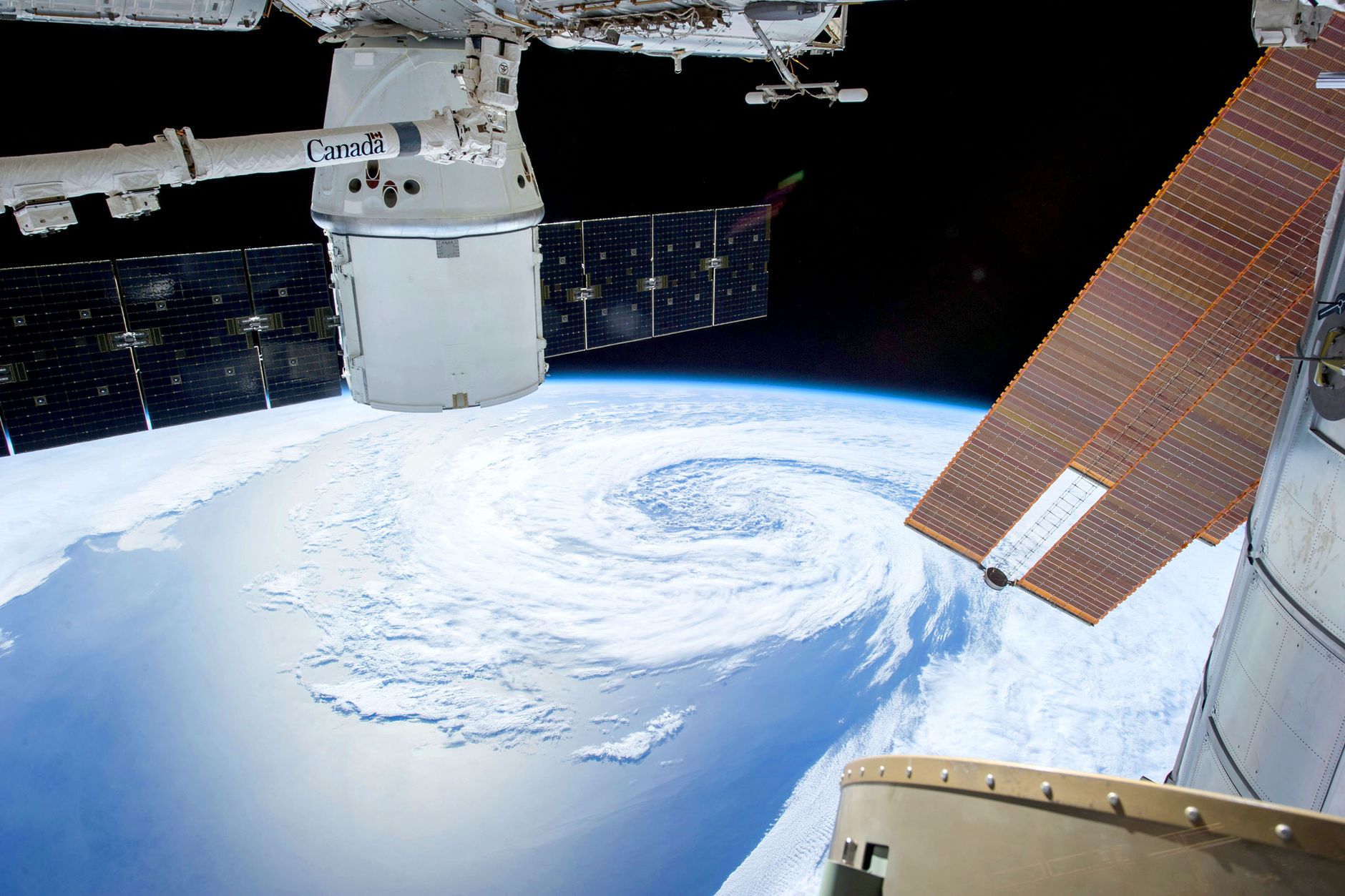
Canada satellites are a vital part of the country’s space infrastructure. As of 2026, Canada boasts an impressive 83 satellites currently in orbit, contributing to various scientific and commercial endeavors.
Overview of Canada’s Satellite Program
Canada has made significant strides in space exploration and satellite technology, culminating in a robust presence of 83 satellites currently in orbit. This impressive number highlights the country’s commitment to advancing its capabilities in space science and satellite communications.
The Canadian satellite program has seen remarkable growth over the years, with various initiatives aimed at enhancing the understanding of Earth’s systems and improving communication networks. These satellites serve multiple purposes, including:
- Earth observation: Monitoring environmental changes, natural disasters, and climate patterns.
- Telecommunications: Providing vital connectivity for remote regions and ensuring robust communication infrastructure.
- Scientific research: Supporting research in areas such as meteorology, oceanography, and atmospheric studies.
In addition to their practical applications, Canada satellites also contribute to international collaborations in space, showcasing the country’s expertise and fostering partnerships with other nations. The successful launch and management of these satellites underscore the importance of ongoing investment in space technology, which is essential for future advancements and innovation.
As Canada continues to expand its satellite capabilities, the focus will remain on utilizing these technological assets to address global challenges and enhance the quality of life for its citizens.
Current Count of Canada Satellites
As of 2026, Canada boasts a total of 83 satellites currently in orbit, marking a significant achievement for the country’s advancements in space technology. This robust fleet plays a crucial role in various sectors, including communications, Earth observation, and scientific research.
The current count of Canada satellites serves multiple purposes, enhancing both economic and social facets of life. These satellites are integral in providing data for:
- Weather Monitoring: Satellites gather essential data that aids in forecasting weather conditions and tracking climate changes.
- Telecommunications: Many Canadian satellites facilitate communication services, ensuring connectivity across remote regions.
- Environmental Monitoring: These satellites help monitor natural resources, track pollution levels, and assess the effects of climate change.
- Scientific Research: They contribute to scientific studies in fields such as astronomy, geology, and environmental science.
Beyond their immediate applications, the presence of 83 satellites in orbit underscores Canada’s commitment to expanding its capabilities in space exploration and technology development. The investments in satellite infrastructure not only support national interests but also contribute to international collaborations in space research and innovation.
As Canada continues to evolve its satellite program, the impact of these orbiting assets will only grow, solidifying the nation’s position as a key player in the global space community.
Impact of Satellites on Technology
The impact of satellites on technology is profound, particularly in a vast country like Canada. The Canada satellites program has significantly advanced various sectors by enhancing communication, monitoring environmental changes, and supporting scientific research.
One of the most notable effects is in the field of telecommunications. With the presence of 83 satellites in orbit, remote areas that previously experienced poor connectivity can now access high-speed internet. This connectivity not only facilitates personal communication but also enables businesses to operate more efficiently, fostering economic growth.
Furthermore, Canada satellites play a crucial role in environmental monitoring. They provide vital data that help track climate changes, assess natural disaster impacts, and manage natural resources. This information is essential for crafting effective policies and strategies aimed at sustainability.
In addition to communication and environmental observations, these satellites contribute to advancements in scientific research. They allow researchers to gather data on various phenomena, from weather patterns to geological activities, enhancing our understanding of the Earth and its processes.
Moreover, the integration of satellite technology into everyday applications, such as navigation systems and agricultural management, demonstrates its versatility. Overall, the contributions of Canada satellites continue to shape a technology-driven future, improving lives and providing invaluable insights into the world around us.
Future of Canada’s Space Missions
The future of Canada’s space missions looks promising as the country continues to expand its capabilities in satellite technology. With 83 satellites currently in orbit, Canada is positioning itself as a key player in the global space landscape. The advancements in satellite technology are expected to play a significant role in various sectors, including environmental monitoring, telecommunications, and national security.
As we look ahead, several initiatives are in the pipeline that will enhance the efficiency and effectiveness of Canada’s satellite program. These initiatives include:
- Investment in Research and Development: The Canadian government is allocating funds to develop new satellite technologies that will support climate change research and disaster management.
- Partnerships with International Agencies: Collaborations with organizations such as NASA and the European Space Agency will allow Canada to share knowledge and resources, further improving satellite capabilities.
- Focus on Sustainability: Future missions will prioritize eco-friendly technologies, ensuring that satellites are responsible in their operation and end-of-life disposal.
- Expansion of Commercial Opportunities: The growth of private companies in the satellite sector is expected to lead to innovative applications and services, which will stimulate the Canadian economy.
With these developments, the future of Canada’s satellites looks bright, promising advancements that will benefit both the nation and the global community.
Comparison with Other Countries’ Satellites
The global landscape of satellite deployment reveals significant variations among nations, with Canada satellites making a noteworthy mark. As of 2026, Canada boasts a total of 83 satellites in orbit, positioning it as a key player in the realm of space technology. This number places Canada among the top countries globally, yet it is essential to compare this figure with that of other nations.
The United States leads the world with over 3,000 active satellites, showcasing its extensive investment in space technology and exploration. Following closely is China, which has rapidly increased its satellite count to nearly 500, reflecting its ambitions in both commercial and governmental space initiatives.
In Europe, France and Germany have combined satellite counts nearing 300, with significant contributions from the European Space Agency. In contrast, India has launched over 300 satellites, demonstrating its growing capabilities in space technology.
While Canada satellites may seem modest in comparison, the nation excels in specialized applications such as remote sensing and communications. Furthermore, Canada’s focus on innovation and collaboration ensures that its satellite capabilities continue to evolve, contributing to global advancements in technology and environmental monitoring.
As the competition in space continues to escalate, Canada’s strategic investments and partnerships will be crucial in maintaining its position on the international stage.
As the number of Canada satellites continues to grow, their contributions to various sectors such as communication and environmental monitoring become increasingly vital. The smart count of 83 in orbit highlights the country’s commitment to advancing its space capabilities through innovative technology.
Photo by SpaceX on Pexels