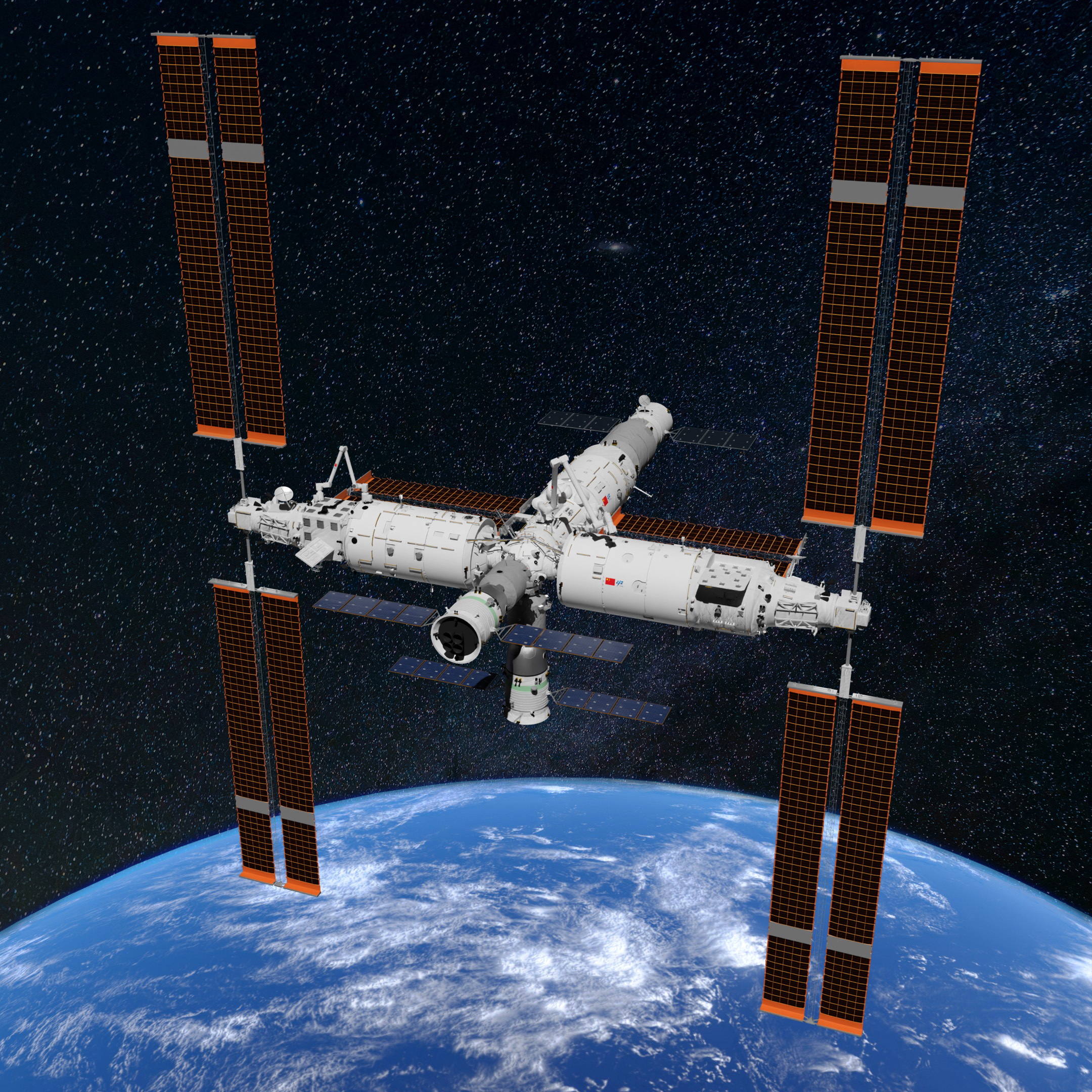
The foreign astronaut launch marks a historic moment in space exploration. Pakistan’s Muhammad Zeeshan Ali is now aboard China’s Tiangong Space Station, illustrating global cooperation in advancing human spaceflight.
Overview of the foreign astronaut launch
In a historic event, China successfully launched its first foreign astronaut, Pakistan’s Muhammad Zeeshan Ali, to the Tiangong Space Station aboard the Shenzhou-24 spacecraft utilizing the Long March 2F rocket. This landmark mission marks a significant step in international collaboration in space exploration.
The foreign astronaut launch not only highlights China’s growing capabilities in space but also underscores the importance of partnerships in advancing scientific research. As nations explore the cosmos, the exchange of knowledge and expertise becomes vital.
Among the goals of this mission are:
- Conducting experiments in microgravity
- Enhancing bilateral relations between China and Pakistan
- Promoting global cooperation in space technology
As countries continue to invest in space exploration, missions like this may pave the way for future collaborative efforts, ultimately benefiting humanity as a whole.
Significance of Muhammad Zeeshan Ali’s mission
The recent launch of foreign astronaut Muhammad Zeeshan Ali marks a significant milestone in international space collaboration. This mission not only highlights Pakistan’s growing involvement in space exploration but also emphasizes the importance of partnerships in advancing scientific knowledge.
Ali’s journey to the Tiangong Space Station aboard the Shenzhou-24 represents the culmination of years of preparation and training. His participation in this foreign astronaut launch underscores the potential for nations to work together to achieve common goals in space research.
Key factors contributing to the mission’s significance include:
- International collaboration: Strengthening ties between countries through shared scientific endeavors.
- Inspiration: Serving as a role model for aspiring astronauts and scientists, particularly in developing nations.
- Knowledge exchange: Facilitating the sharing of technology and expertise across borders.
As space exploration continues to evolve, missions like Ali’s pave the way for future advancements and discoveries.
How does the Tiangong Space Station operate?
The Tiangong Space Station operates as a modular space station designed to support various scientific missions, including the recent foreign astronaut launch featuring Muhammad Zeeshan Ali. This station incorporates multiple modules, including the core Tianhe module and multiple laboratory modules, which can be expanded and modified to accommodate different experiments and crew members.
In its current configuration, the Tiangong Space Station can support a crew of three astronauts for long-term missions, with the capability to host visiting spacecraft and additional crew. The station is equipped with advanced life support systems, allowing astronauts to live and work in space for extended periods.
The successful operation of the Tiangong Space Station marks a significant achievement in international collaboration in space exploration. As nations work together, the opportunities for research and discovery continue to grow, showcasing the importance of missions like the foreign astronaut launch in advancing human understanding of space.
Future of international space partnerships
The future of international space partnerships appears promising, especially following the historic foreign astronaut launch of Muhammad Zeeshan Ali to the Tiangong Space Station. This milestone illustrates the potential for collaboration among nations in advancing space exploration.
As countries continue to invest in their space programs, several key trends are emerging:
- Increased Collaboration: The success of missions like the Shenzhou-24 highlights the importance of working together on shared goals, such as scientific research and technological innovation.
- Shared Resources: By pooling resources, nations can reduce costs and enhance capabilities, enabling more ambitious projects in space exploration.
- Cross-Cultural Exchange: Missions involving foreign astronauts foster understanding and cooperation between different cultures, promoting peace and unity on Earth.
As we look to the future, the potential for further foreign astronaut launches may pave the way for groundbreaking discoveries and strengthen ties between countries committed to exploring the final frontier.
By NASA Goddard Space Flight Center via Openverse