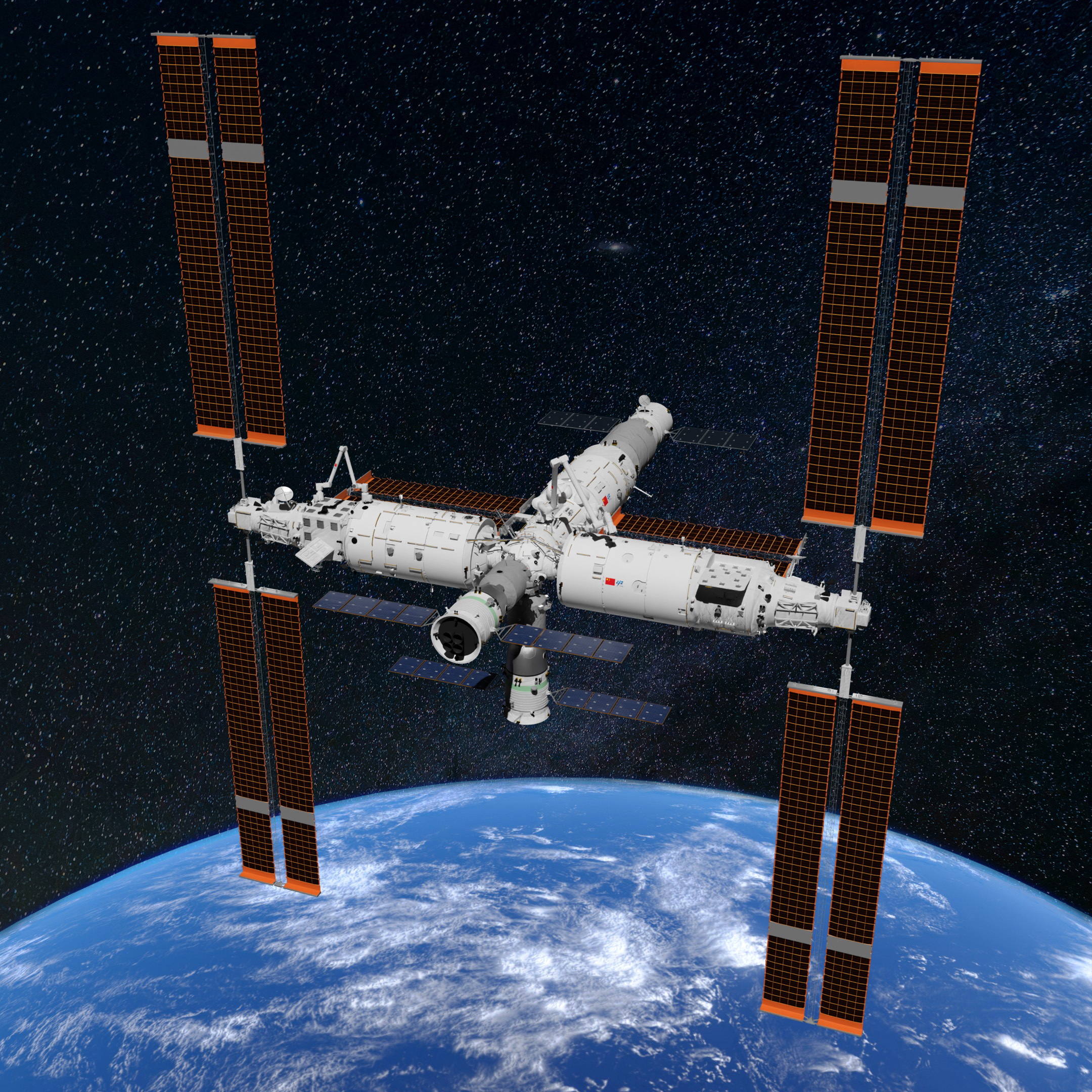
Tiangong space station is now open to foreign astronauts, marking a significant milestone in international space collaboration. The upcoming Shenzhou-24 mission is set to welcome international crew members, showcasing China’s commitment to global partnerships in space exploration.
Overview of the Tiangong space station
The Tiangong space station represents a significant leap in China’s capabilities in space exploration and international collaboration. With its completion scheduled for later this year, the station is poised to become a hub for scientific research and technological advancements. Built in low Earth orbit, the Tiangong space station is designed to host astronauts from various countries, expanding opportunities for joint missions.
As part of its commitment to international cooperation, China has announced that foreign astronauts will be welcomed aboard the Tiangong space station during upcoming missions. This initiative is exemplified by the upcoming Shenzhou-24 mission, which aims to include astronauts from partner nations, fostering collaboration in space science.
The design of the Tiangong space station includes several modules, each equipped with advanced laboratories for conducting experiments across multiple disciplines such as biology, astronomy, and materials science. This versatility not only enhances the potential for groundbreaking research but also encourages participation from a global community of scientists.
Furthermore, the Tiangong space station will serve as a platform for testing new technologies that can be utilized in future deep space exploration missions. By inviting astronauts from around the world, China is paving the way for a new era of collaborative space exploration that prioritizes shared knowledge and innovation.
Shenzhou-24 mission details
The upcoming Shenzhou-24 mission marks a significant milestone for the Tiangong space station, as it opens its doors to international astronauts for the first time. Scheduled for launch in early 2024, this mission aims to further enhance collaboration in space exploration.
Key details about the Shenzhou-24 mission include:
- Launch Vehicle: The Shenzhou-24 will be launched aboard a Long March 2F rocket from the Jiuquan Satellite Launch Center.
- Duration: Astronauts will spend approximately 30 days aboard the Tiangong space station, conducting various scientific experiments and technology demonstrations.
- International Crew: The mission will include astronauts from multiple countries, fostering cooperation and knowledge sharing in space science.
- Objectives: The mission’s primary goals are to conduct research in microgravity and to test new technologies that could benefit future missions to the Moon and beyond.
The Tiangong space station, which has been operational since its first module was launched in 2021, is designed to support long-term human habitation and research in low Earth orbit. The inclusion of foreign astronauts in the Shenzhou-24 mission exemplifies China’s commitment to collaborative efforts in advancing human spaceflight and scientific research.
Opportunities for foreign astronauts
The Tiangong space station has recently opened its doors to foreign astronauts, creating a unique opportunity for international collaboration in space exploration. This initiative comes as part of China’s ongoing commitment to enhance its presence in the global space community.
Participating in the Tiangong space station missions offers numerous advantages for foreign astronauts, including:
- Cutting-edge research opportunities: Astronauts can engage in a variety of scientific experiments in microgravity, contributing to advancements in fields such as biology, physics, and materials science.
- International collaboration: The involvement of foreign astronauts fosters partnerships between different space agencies, promoting knowledge sharing and innovative solutions to common challenges.
- Experience in a unique environment: The Tiangong space station provides a distinct platform for astronauts to gain firsthand experience living and working in a Chinese space environment, enriching their understanding of space operations.
- Increased visibility: Participation in such missions can enhance the visibility of astronauts’ home countries in the realm of space exploration, encouraging future investments and initiatives.
As the Shenzhou-24 mission approaches, foreign astronauts are eager to take part in the Tiangong space station’s groundbreaking journey, marking a significant step forward in international cooperation in space exploration.
Future of international space collaboration
The future of international space collaboration looks promising with the ongoing advancements at the Tiangong space station. As nations recognize the importance of shared knowledge and resources in space exploration, partnerships are becoming increasingly essential. The Tiangong space station stands as a testament to this collaborative spirit, aiming to foster a global community of scientists and astronauts.
With the announcement of opportunities for foreign astronauts to participate in missions aboard the Tiangong, several key areas of collaboration are emerging:
- Research and Development: Collaborative projects can lead to groundbreaking experiments in microgravity environments, significantly enhancing our understanding of various scientific fields.
- Cultural Exchange: The presence of international astronauts on the Tiangong will promote cultural understanding and goodwill, bridging gaps between nations through shared experiences in space.
- Advancement of Technology: Joint missions will encourage the sharing of technological advancements, paving the way for innovations that can benefit life on Earth and future space endeavors.
- Training Opportunities: The Tiangong space station will serve as a training ground for astronauts from different countries, enabling them to learn from one another and improve their skills in a collaborative environment.
As the global space community continues to evolve, the Tiangong space station will undoubtedly play a pivotal role in shaping the future of international collaborations in space exploration.
By Shujianyang via Openverse
Sources
check key highlights · Tiangong space station
You might also like
GTA 6 update: Is it the best improvement yet? · Ferrari Challenge Stradale: Best Proven Performance Car · Galaxy Watch10 launch: Is it the worst decision for Samsung?