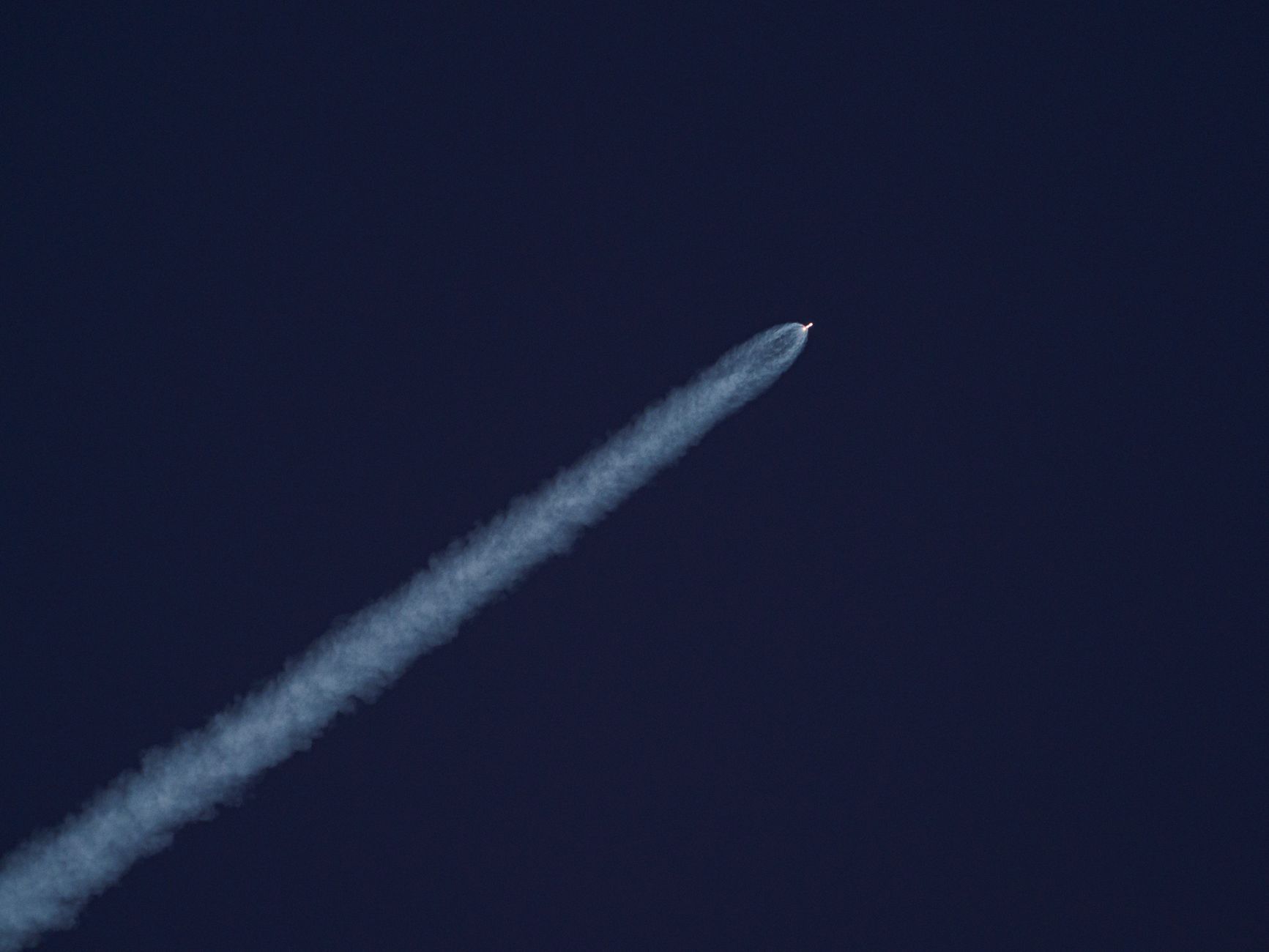
India space launches have gained attention for their high costs. This article explores the reasons behind these expenses and their implications for the Indian space program.
Understanding the Cost of India Space Launches
The cost of India space launches has become a topic of heated debate among experts and investors. While India has achieved remarkable successes in space exploration, the financial implications of these missions raise questions.
Several factors contribute to the expense of these launches:
- Development Costs: Designing and building rockets and satellites requires significant investment in technology and infrastructure.
- Operational Expenses: Launch operations involve extensive logistical planning, transportation, and personnel, adding to the overall cost.
- Market Competition: As more countries enter the space race, the pricing dynamics are affected, potentially inflating costs for India.
- Funding Allocation: The allocation of resources between various projects often leads to increased financial strain on space initiatives.
Understanding these elements is crucial for investors considering the viability of India space launches.
The Role of ISRO in Space Exploration
The Indian Space Research Organisation (ISRO) plays a pivotal role in enhancing India’s position in global space exploration. Established in 1969, ISRO has made significant strides in developing cost-effective space launch vehicles, which has led to increased interest in India space launches.
ISRO’s achievements include:
- Pioneering satellite technology: Developing satellites for communication, weather forecasting, and navigation.
- International collaboration: Partnering with various countries to launch satellites, thereby boosting India’s reputation.
- Innovative missions: Successfully launching missions like Chandrayaan and Mangalyaan, which have garnered global recognition.
Despite criticisms regarding the cost of India space launches, ISRO continues to push boundaries, emphasizing that investment in space technology holds potential long-term benefits for the nation.
Comparative Analysis of Global Launch Costs
When examining the India space launches, a comparative analysis of global launch costs reveals significant disparities. Major players in the space industry, such as the United States and Russia, often benefit from economies of scale, leading to lower per-launch expenses. In contrast, India’s launch costs can be attributed to various factors, including technology development and operational expenses.
Key considerations include:
- Launch Vehicle Development: Countries like the U.S. invest heavily in reusable technology, which can drastically lower costs over time.
- Market Demand: The demand for launches varies globally, affecting pricing strategies across different nations.
- Infrastructure Investment: Established spaceports in other countries can reduce overhead costs compared to newer facilities in India.
Ultimately, while India’s capabilities are impressive, the financial implications raise questions about the long-term viability of its space endeavors.
Technological Advancements in Indian Space Missions
India has made significant strides in space technology, showcasing remarkable advancements through its space missions. The Indian Space Research Organisation (ISRO) has been at the forefront of these developments, enabling cost-effective and reliable launches.
Some of the key technological advancements include:
- Reusable Rockets: ISRO is actively working on reusable rocket technology, which could drastically reduce launch costs.
- Satellite Development: The development of indigenous satellites has enhanced communication, navigation, and earth observation capabilities.
- Launch Vehicle Innovation: The introduction of the GSLV Mk III has significantly increased payload capacity.
These innovations not only bolster India’s position in the global space race but also contribute to the ongoing discussion about whether India space launches are the worst investment.
Challenges Faced by India’s Space Sector
The Indian space sector has encountered several challenges that have raised questions about the sustainability of its space launches.
One significant hurdle is the infrastructure limitations that often hinder efficient launch operations. The need for advanced facilities and technology continues to grow as India aims for more ambitious missions.
Additionally, regulatory hurdles can slow down project timelines, impacting the overall cost of India space launches.
Another challenge is competition from global players, which not only drives prices down but also pressures ISRO to innovate rapidly.
Finally, the public perception of space investment often focuses on immediate returns, leading to skepticism about long-term benefits.
Addressing these issues is crucial for enhancing the viability of India’s burgeoning space ambitions.
Future Prospects for Indian Space Exploration
The future prospects for Indian space exploration are a topic of considerable interest and debate. As India continues to invest in its space program, several factors will shape the direction of its future launches.
Key considerations include:
- Technological Innovations: Continued advancements in technology may lead to more cost-effective and efficient launch systems.
- International Collaborations: Partnering with other space agencies can provide access to shared resources and expertise.
- Commercial Opportunities: The growing demand for satellite launches presents potential revenue generation for ISRO.
- Government Support: Increased funding and policy support will be critical in enhancing capabilities.
While some may question the viability of India space launches as an investment, the potential for growth and innovation remains significant.
Public Perception of Space Investment in India
Public perception of space investment in India is a complex issue, shaped by various factors including economic priorities and national pride. Many citizens view India’s space launches as a symbol of technological advancement and innovation. However, there is a growing concern regarding the financial implications of these missions.
Critics argue that the substantial funds allocated to India space launches could be better spent on pressing social issues such as education and healthcare. In contrast, supporters highlight the potential for long-term benefits, including international partnerships and scientific advancements. This dichotomy in public opinion reveals a broader debate on the value of investing in space exploration versus addressing immediate domestic challenges.
- Supporters: Advocate for the technological prestige and potential economic benefits.
- Critics: Call for prioritizing social welfare over space missions.
Photo by Dirk Schuneman on Pexels