The Vulcan rocket launch delay has significant implications for Amazon’s satellite deployment. Originally scheduled for earlier, the launch is now set for Saturday.
Understanding the Vulcan Rocket
The Vulcan rocket, developed by United Launch Alliance (ULA), is designed to enhance the efficiency and capabilities of satellite launches. With a focus on cost-effectiveness and reliability, the Vulcan rocket aims to serve a variety of missions, including those for commercial and governmental customers.
One of the most significant missions for the Vulcan rocket is the launch of 40 low Earth orbit (LEO) satellites for Amazon’s Project Kuiper. This project aims to provide global broadband internet service, showcasing the importance of the Vulcan rocket in bridging the digital divide.
However, the recent Vulcan rocket launch delay has raised concerns within the aerospace community. The postponement has been attributed to technical issues that ULA is currently addressing. Stakeholders are eager to see if the rocket can meet its ambitious timeline, especially given the competitive landscape of satellite launches.
As ULA works to resolve these challenges, the future of the Vulcan rocket remains a focal point for industry observers.
Impact of the Delay on Amazon
The recent Vulcan rocket launch delay poses significant implications for Amazon’s ambitious satellite project. Originally scheduled for launch, the delay affects the deployment timeline of 40 LEO (low Earth orbit) satellites intended to enhance global internet access.
As Amazon seeks to establish a competitive foothold in the satellite internet market, timely launches are crucial. The postponement could hinder their ability to meet customer expectations and compete effectively against established players.
Key stakeholders are particularly concerned about the following:
- Market Position: Delays may allow competitors to strengthen their services and capture market share.
- Technological Advancements: Each launch is a step towards advancing satellite technology; delays can stall innovation.
- Investor Confidence: Frequent setbacks may shake investor trust in Amazon’s satellite strategy.
In light of these challenges, Amazon must navigate the implications of the Vulcan rocket launch delay carefully to maintain its ambitious goals.
Latest Updates on ULA’s Launch Schedule
United Launch Alliance (ULA) has announced a delay in the launch of its Vulcan rocket, originally scheduled for Friday, now postponed to Saturday. This launch is vital as it carries 40 low Earth orbit (LEO) satellites for Amazon’s Project Kuiper, aiming to enhance global internet coverage.
Officials cited unfavorable weather conditions and technical issues as the reasons behind the Vulcan rocket launch delay. The countdown was halted just hours before the scheduled launch, leaving many in the aerospace community wondering if this setback is the worst yet for ULA.
The postponement affects not only ULA’s timeline but also Amazon’s plans for its satellite constellation. The successful deployment of these satellites is crucial for Amazon to compete in the growing satellite internet market.
As the launch window nears, all eyes are on ULA to see if they can resolve the issues and proceed with their plans for Saturday.
Reasons Behind the Launch Postponement
The recent Vulcan rocket launch delay has raised concerns among industry experts and space enthusiasts alike. Several factors contributed to this decision, primarily focusing on technical issues and weather conditions.
- Technical Challenges: ULA engineers encountered unexpected anomalies during pre-launch checks, necessitating additional time for thorough inspections and corrections.
- Adverse Weather: Forecasts predicted unfavorable weather conditions, which could jeopardize the mission’s success if launched under such circumstances.
- Logistical Coordination: Ensuring that all components and personnel are adequately prepared is critical, and delays in any area can impact the overall schedule.
As ULA works to resolve these issues, the shift to Saturday has prompted discussions regarding whether this is the worst setback yet for the Vulcan program. Stakeholders are keenly watching how these delays might affect future launches and the broader implications for satellite deployments.
Future of Satellite Deployments
The recent Vulcan rocket launch delay has raised concerns about the future of satellite deployments, particularly for networks reliant on timely launches. The Vulcan Centaur rocket, designed to carry payloads into low Earth orbit (LEO), is pivotal for various projects, including Amazon’s ambitious satellite internet plans.
As the launch pushes back to Saturday, industry experts are analyzing the potential ripple effects this delay may cause. The following factors are critical to consider:
- Impact on Network Expansion: Delay in launching satellites could postpone the rollout of internet services in underserved regions.
- Investment Considerations: Stakeholders may reassess their investments based on launch reliability and timeliness.
- Competitive Edge: Other companies may gain an advantage by launching competing satellites sooner.
Ultimately, the ramifications of the Vulcan rocket launch delay extend beyond just one mission, potentially altering the trajectory of satellite deployment strategies in the industry.
Reactions from the Space Community
The recent Vulcan rocket launch delay has sparked significant reactions within the space community, highlighting both concerns and hopes for future missions. Industry experts and enthusiasts alike have expressed their disappointment at the postponement, particularly given the importance of this launch for Amazon’s satellite constellation.
Many are questioning how this delay might affect the broader landscape of satellite deployments, as the Vulcan rocket is pivotal for ULA’s plans. “Every delay pushes back timelines for essential services,” stated a leading aerospace analyst. Meanwhile, others remain optimistic, viewing this as a chance for ULA to refine their processes and ensure safety.
Social media has been abuzz with discussions, with some suggesting that the delay could lead to improvements in rocket technology. “It’s crucial for ULA to come back stronger,” remarked a prominent space journalist, emphasizing the need for resilience in the face of setbacks.
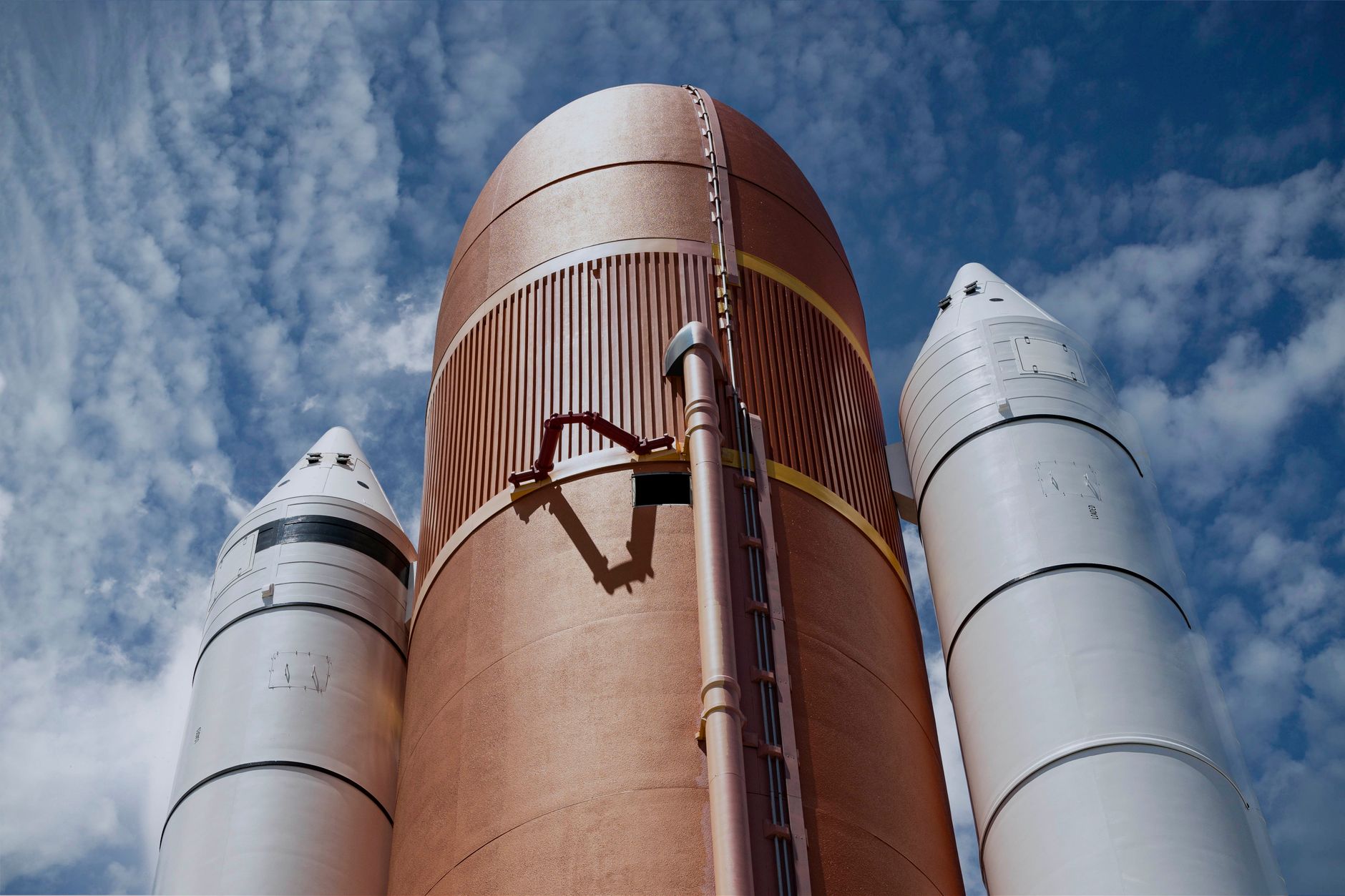
Photo by john mckenna on Pexels